Meet The Expert: Bentley Meeker of Bentley Meeker Lighting & Staging
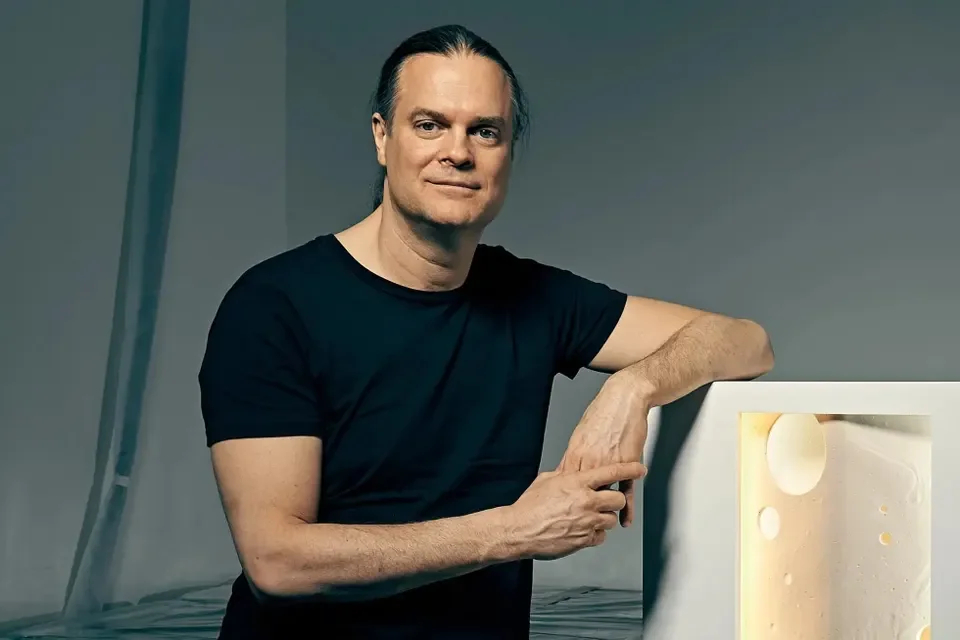
Bentley Meeker, Lighting Expert
1. You began your career at just 14 and took an unconventional path to New York—how did those early experiences shape your creative instincts and your relationship with light?
I think the fact that I was so young allowed me to absorb things in an impressionalble and somewhat uncolored way (no pun intended). Because I was so excited to start my life and had so few points of reference, everything mattered in an outsized way to me. And I happened to be lucky enough to find myself around incredible photographers, gaffers and Directors of Photography who were incredible at their art but in an almost uniformly unassuming way.
And because it was art - and mission - driven rather than personality driven, I got to learn from people who understood nuance, subtlety and what, in today's world, can only be considered magic.
2. Your time at the Palladium placed you at the center of a defining cultural moment—what did that era teach you about the intersection of art, culture, and immersive experience?
So when I worked there I was fortunate enough to be there in its heyday when… Steve and Ian were running it. The beautiful thing about being able to experience that place at that time was that everything was considered art. The intangibles of socialization and the tangibles of scent, lighting or decor and furnishings. Nothing felt like it was approached with economics in mind and as such, the immersive aspect of it was fully considered. It was the epitome of a rarified atmosphere at scale.
And what was such a special takeaway for me was that everything could be approached artistically. In today's environments you can very often feel the economic considerations woven into them. But there you never did. And it spawned a mantra in my company that has lasted to this day: " When art and commerce collide, art wins."
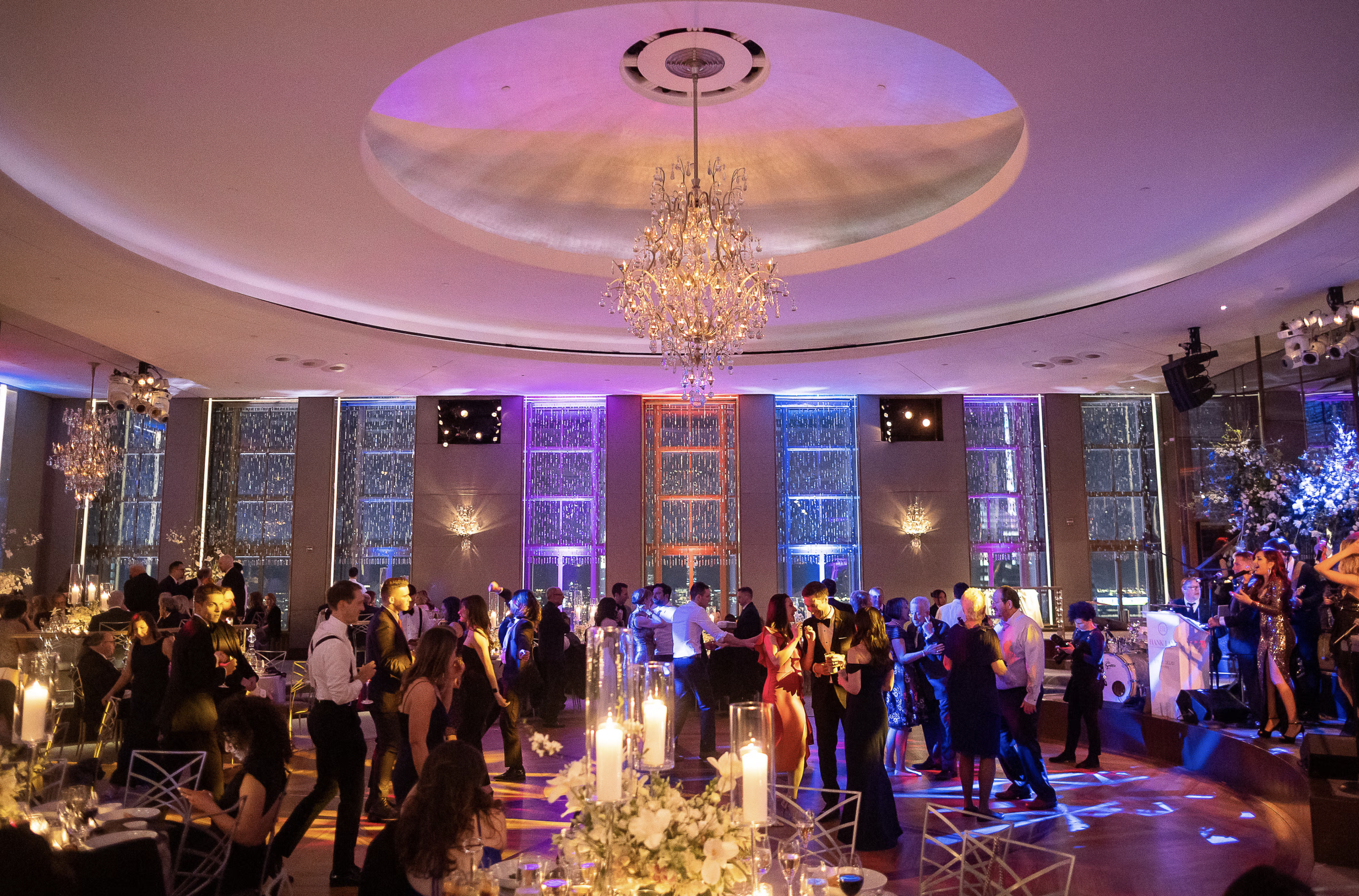
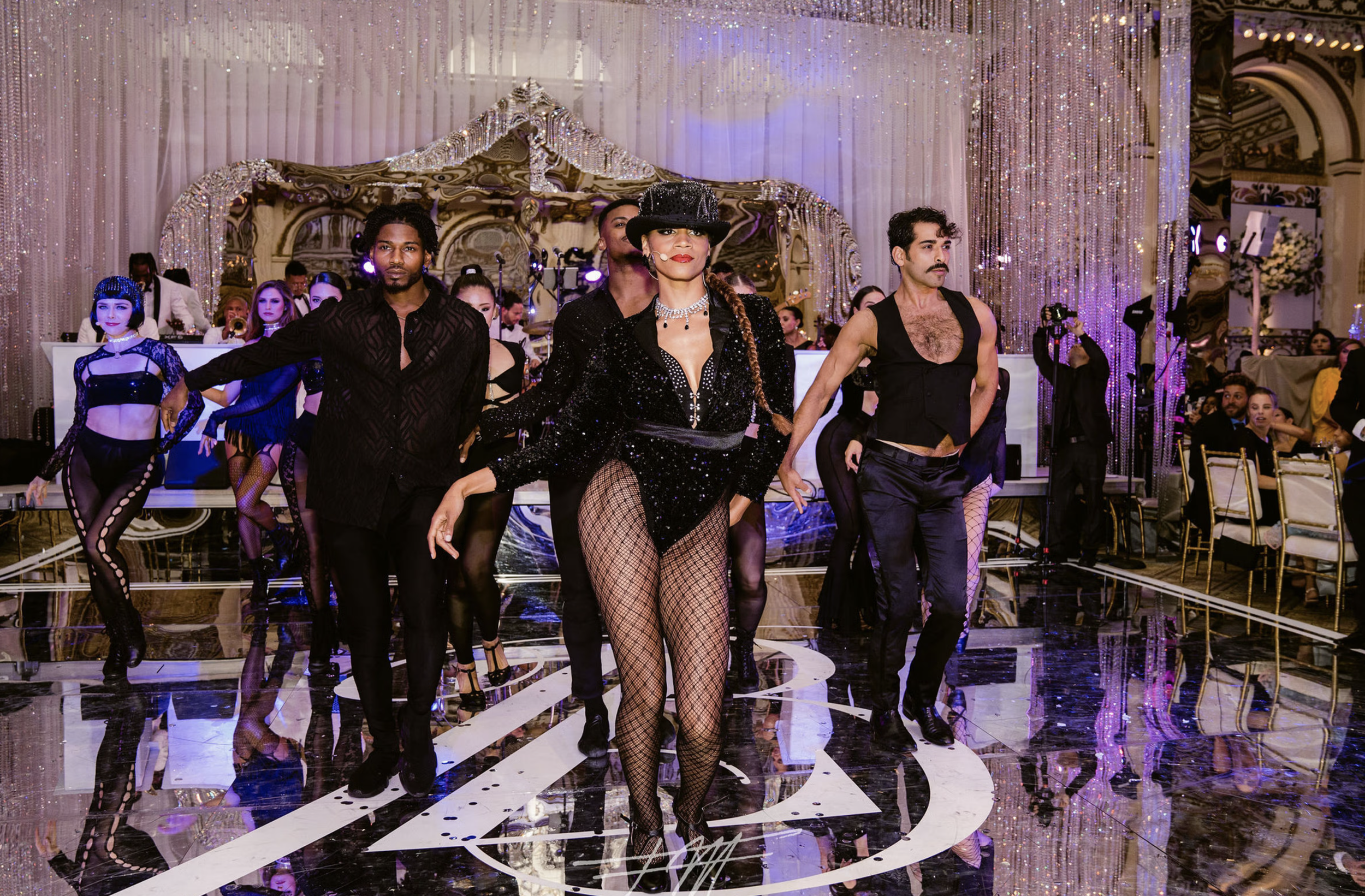
3. You’ve created lighting environments for over ten thousand events. What, for you, is the difference between lighting an event and truly creating an experience?
Honestly we don't really want to light events. We approach everything as an experience, especially because of the transformative effect lighting innately has. So for us there isn't much of a distinction.
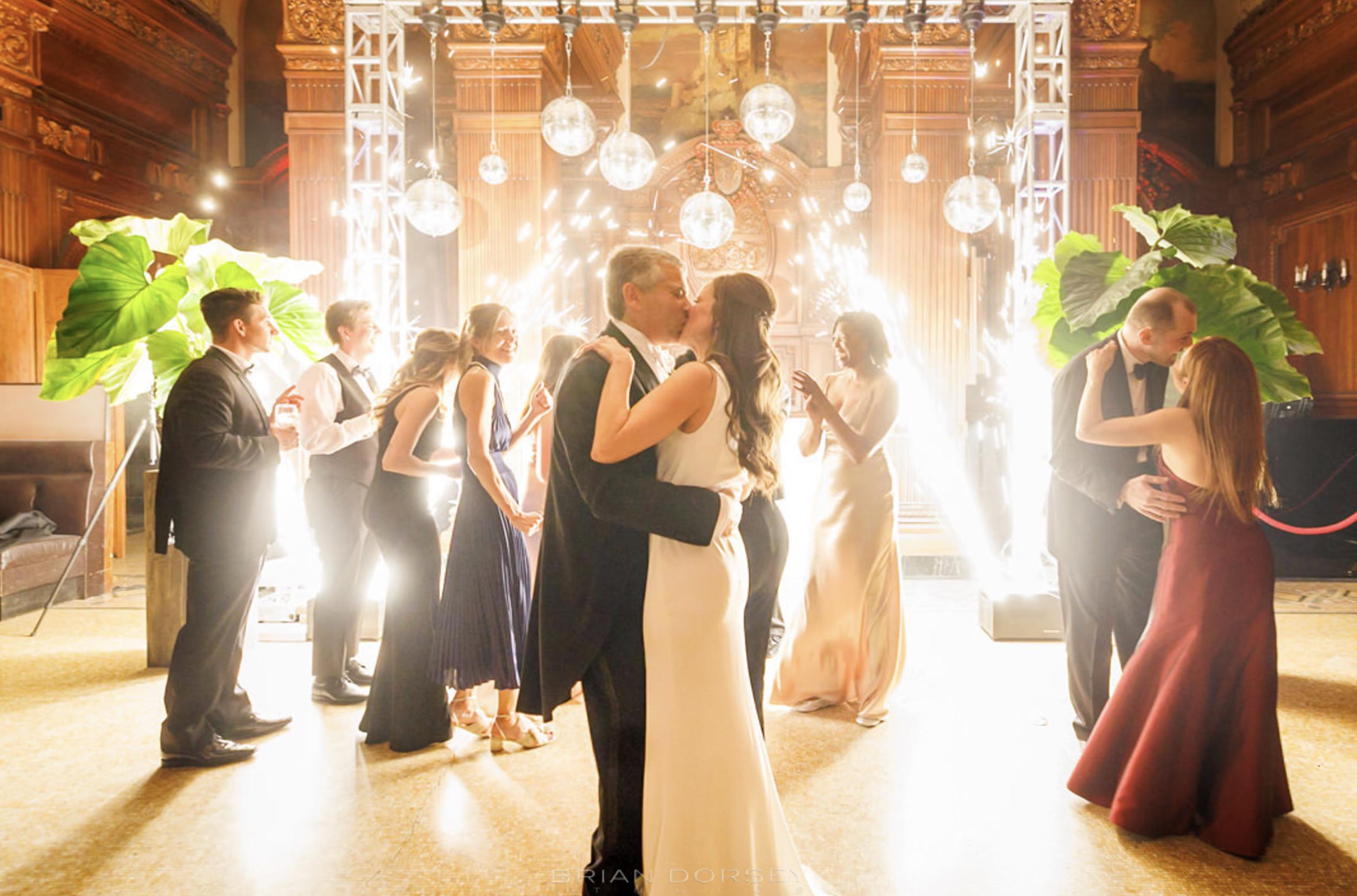
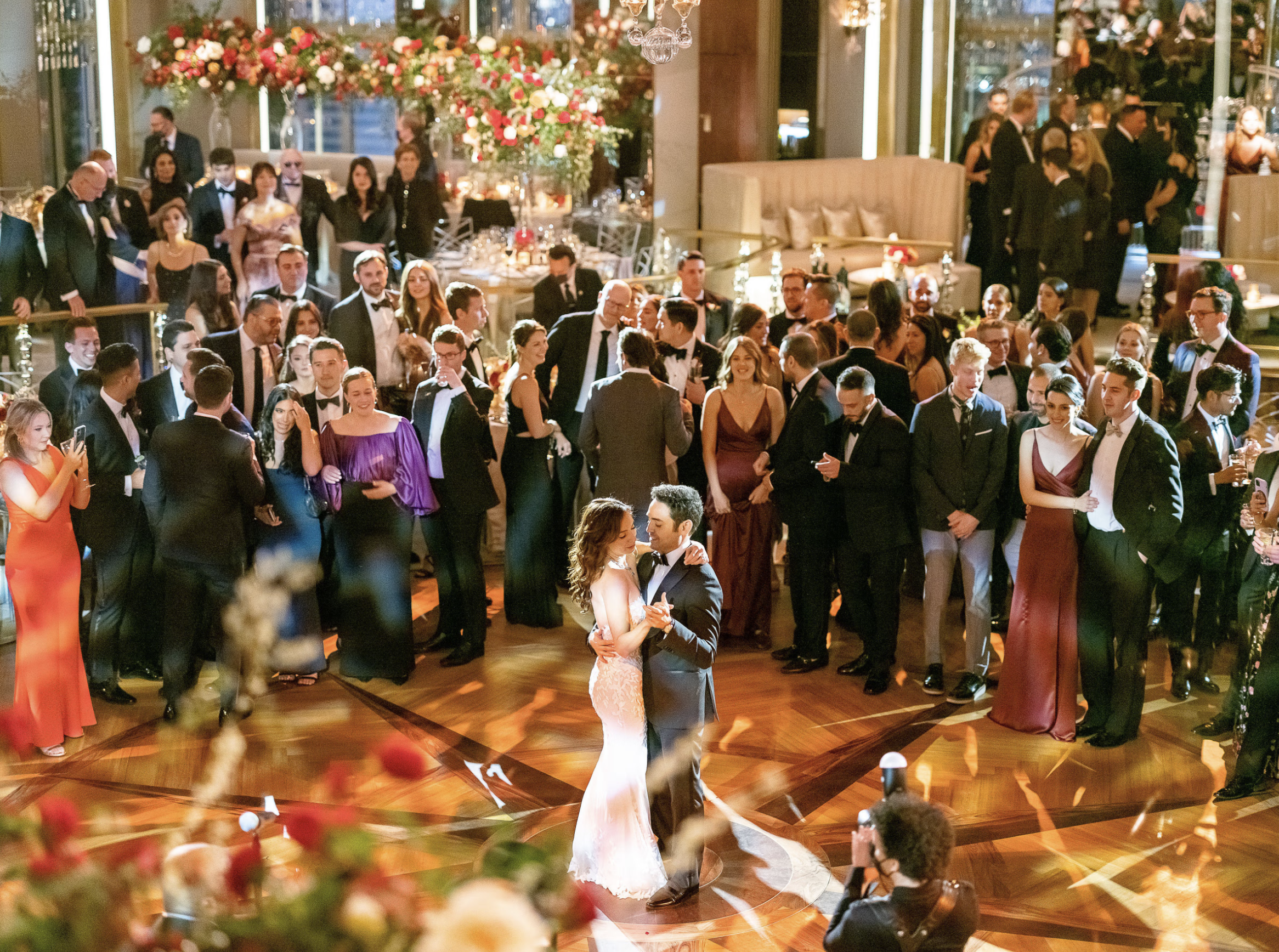
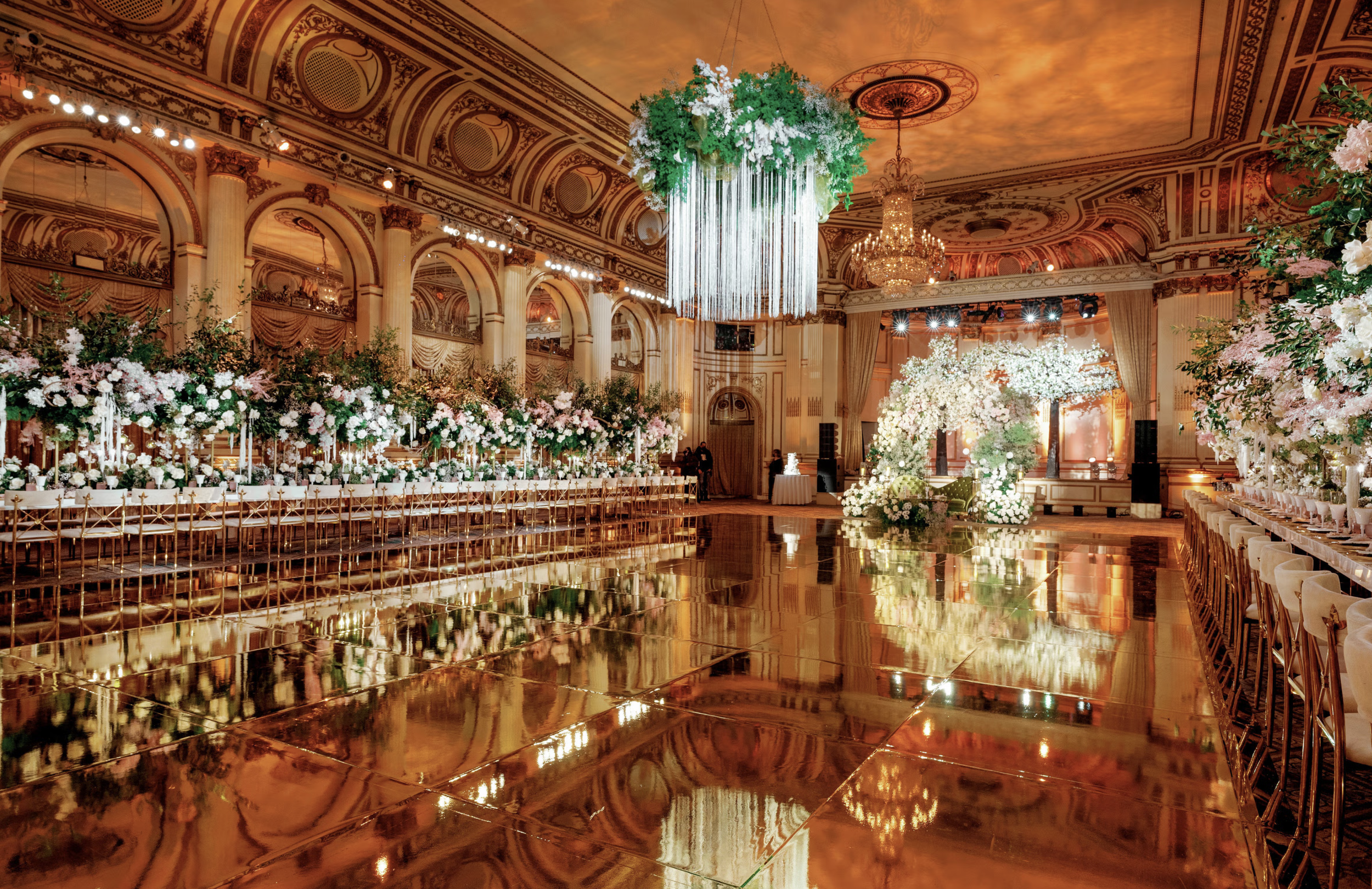
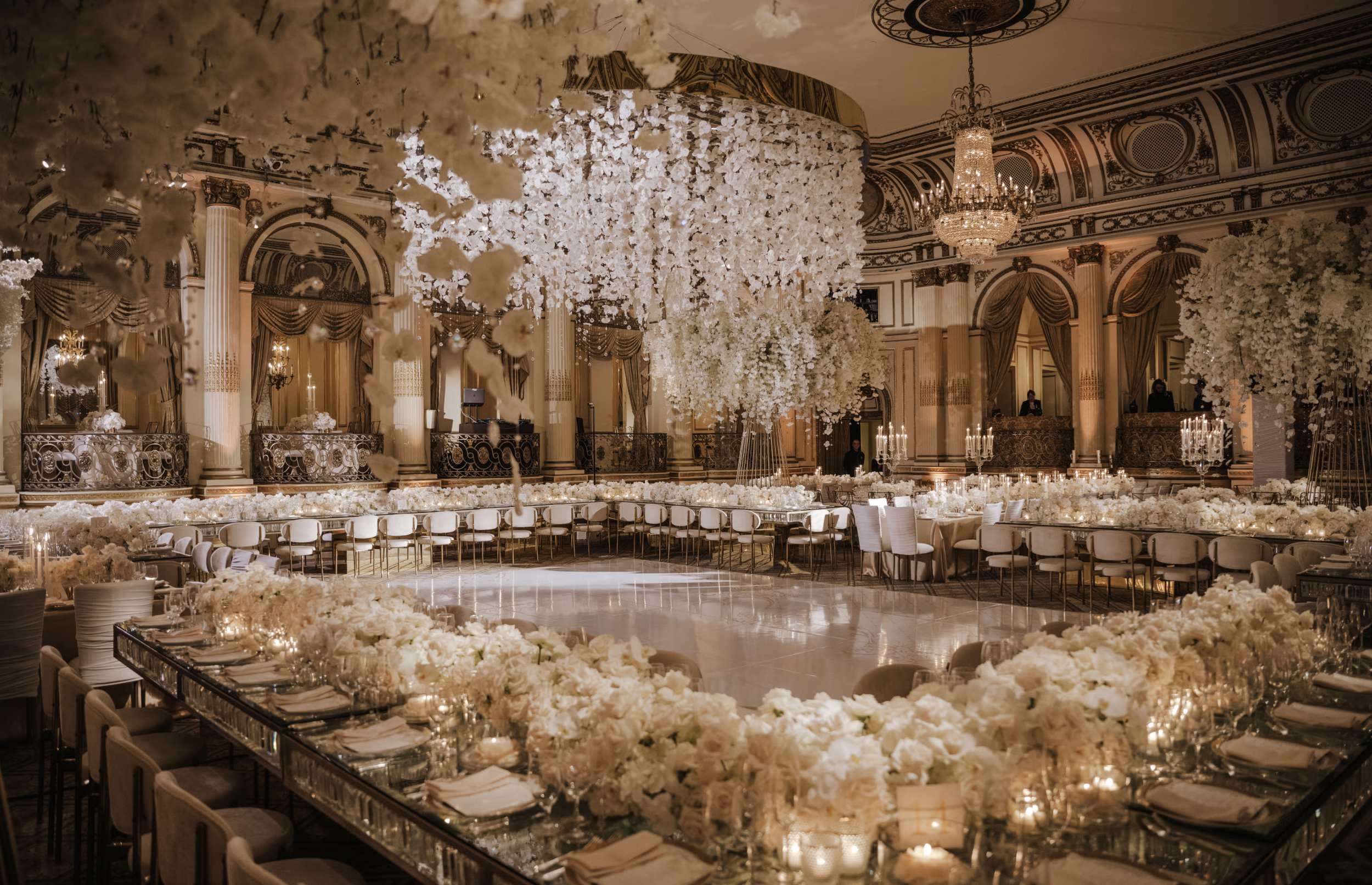
4. In the world of luxury bridal, emotion is everything. How do you approach lighting a wedding in a way that feels both deeply personal and visually unforgettable?
So as a matter of course I don't allow people at my events to spend much time under LED lighting. The reason for that is because lighting is an emotional connection - or not.
5. You’ve worked with some of the most iconic names in music and fashion. How does operating at that level influence your creative standards across all projects, including weddings?
When we work with people who have risen to the top of their respective industries, one expression comes to mind by Will Durant and it motivates my team and myself in a deep and profound way.
"Excellence is Never an Accident." When we deal with people playing their highest game it calls us in a way to examine ours and see if we can do better.
6. Your work extends into fine art as well. How does your artistic practice inform your approach to designing with light in real-world environments?
What's been beautiful about art is that it's allowed me to gauge people's reactions under different kinds of light. What I learned from art has allowed me to have my team tailor environments to the way people feel versus what people see. And the intangible "harmonics" if you will, of the environment are something that I have learned matter greatly to how people experience an event. And art was able to show me that in a unique and informative setting.
7. You’ve been recognized as a trendsetter and a powerful force in fashion. How do you stay ahead of trends while maintaining a timeless point of view—especially in bridal?
Fascinatingly it's not about staying ahead of trends. Trends are a la minute by virtue. Applying them in the context of overarching principles and not deviating from those principles constructs a narrative that people can trust over time and makes trends have weight rather than being fleeting or gimmicky things.
8. For members of The Bridal Council shaping the future of bridal design, what advice would you give about using light as a storytelling tool in their work and presentations?
I absolutely love this question: the best lighting is inherently a narrative. The initial look, the unfolding, the reveal, the excitment and the finale are all moments that can either build on themselves or fall flat. What I would absolutely tell people in the bridal industry is to consider light as an essential part of the storytelling palate and to understand at the planning stage what that story is that's being told. Effective lighting is at its best a story in its own right and expresses the messaging that we want to convey. Elegance, excitement, kitsch, gravitas, solemnity, fun...
It's all possible and it's all at your disposal if you choose to use it that way.