Bridal’s Romantic Renaissance at NYLBFW for Fall 2027 Weddings

Guest Editor Mimi Lombardo
New York Luxury Bridal Fashion Week swept through NYC in mid-October, with runway shows and presentations staged everywhere from swanky hotels and moody event spaces.
Anniversaries were the order of the day: Mark Ingram celebrated 25 years at his beautiful Madison Avenue salon, while British designer Caroline Castigliano raised a glass to 35 years, also making a case for the return of bridal hats. Yullia Lobachova, the creative force behind Ricca Sposa, marked a decade of dressing brides with a spirited celebration at a downtown art gallery. Spina Bride, the boutique known for its discerning edit of luxury bridal designers, toasted 10 years at its current location with an evening fête.
Meanwhile Israeli designer Lihi Hod opened the doors to her first NYC Boutique in Chelsea .
Designer Ines Di Santo went back home—that is, to “Home Studio” a space in Union Square area where she presented her ravishing gowns to a packed house of buyers, press and fans as they vied for space to get their Instagram shots. Both Ines Di Santo Collection and V by Veronica were presented.
Justin Alexander’s retro vibe made for a welcome evening invitation at So & So’s Piano Bar in Hell’s Kitchen, where he presented his aptly named collection, Crescendo. Models swanked through red velvet curtains as a female crooner sang “Moondance,” setting the mood for a collection steeped in old-school glamour. In contrast to the structured, corseted silhouettes that dominated much of Bridal Fashion Week, Alexander favored lighter fabrics and fluid silhouettes with an ease of movement. His signature collection speaks to the bride who wants to dance the night away without the need for a second dress.
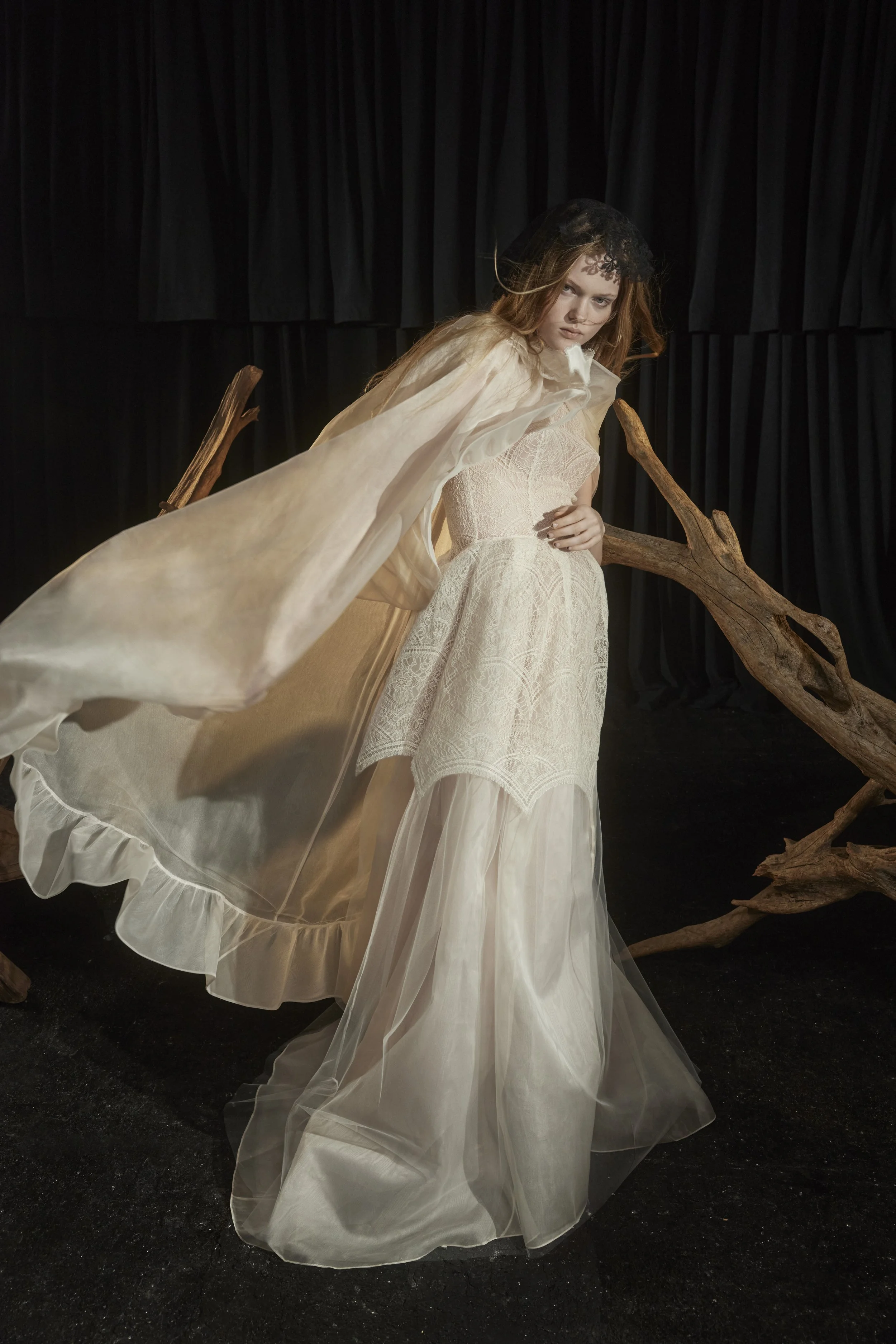
Tel Aviv-based designer Alon Livne’s first bridal show was nothing short of a happening. Having dressed Lady Gaga in the past, Livne is no stranger to the dramatic. For the occasion, he chose The Refectory, a Gothic-style hall in Chelsea that was formerly part of a theological seminary. Guests followed a candlelit path through the building’s grounds, setting the tone for a hauntingly beautiful presentation. Models appeared as ethereal brides before transforming into seductive sea creatures, draped in fluid fabrics and barely-there silhouettes. As the show progressed, naked dressing gave way to intricate arrangements of shells strung together, transforming the models into modern-day mermaids adorned in what could only be described as ocean jewelry.
Jacelyn White is challenging the relentless cycle of creating an entirely new bridal collection every five months with an innovative approach to exclusivity. Inspired by brides who have asked her to retire a particular design so it remains uniquely theirs, White introduced The Exhibition, a collection of eight one-of-a-kind gowns, ensuring that no two brides will walk down the aisle in the same dress. Bergdorf Goodman hosted a trunk show which featured the collection shortly after Bridal Fashion Week.
Second to none was Sareh Nouri’s captivating runway presentation in the gilded room of the Lotte New York Palace. Brides pranced through the opulent setting in lily-white gowns accented with black trims, bows, and ribbons, creating a striking contrast to beautiful effect. The collection offered a delightful tasting menu of bridal styles, from short, sassy dresses to cascading tiers of ruffles and classic strapless ball gowns with voluminous skirts.
Jude Jowilson had a lively presentation at his salon in the garment district. He favors strapless styles with fitted elongated bodices and full skirts. The dresses were beautifully executed, crafted meticulously with artisans in New York City.
Although every designer brings a unique perspective to bridal, one strong direction took center stage this season, a trend that had been simmering for several seasons. The deep-V of the Basque waist permeated the collections in one form or another. Brides seem to love the sexiness of a sharply sculpted bodice that cinches the waist before frothing into either a voluminous, or a slim line skirt. The Basque waist also had designers looking back to the 18th century, introducing pannier-style hip poufs to complement the elongated, deep-V torso. Gathered and pleated mounds of fabric extending from either hip may not sound particularly appealing, but the effect was surprisingly beautiful, especially when juxtaposed against a slim, fitted skirt. From subtle interpretations to more theatrical proportions, the Basque waist, pannier-inspired hips and 18th-century silhouettes emerged as some of the week's most compelling bridal statements.
DEEP V BASQUE WAISTS
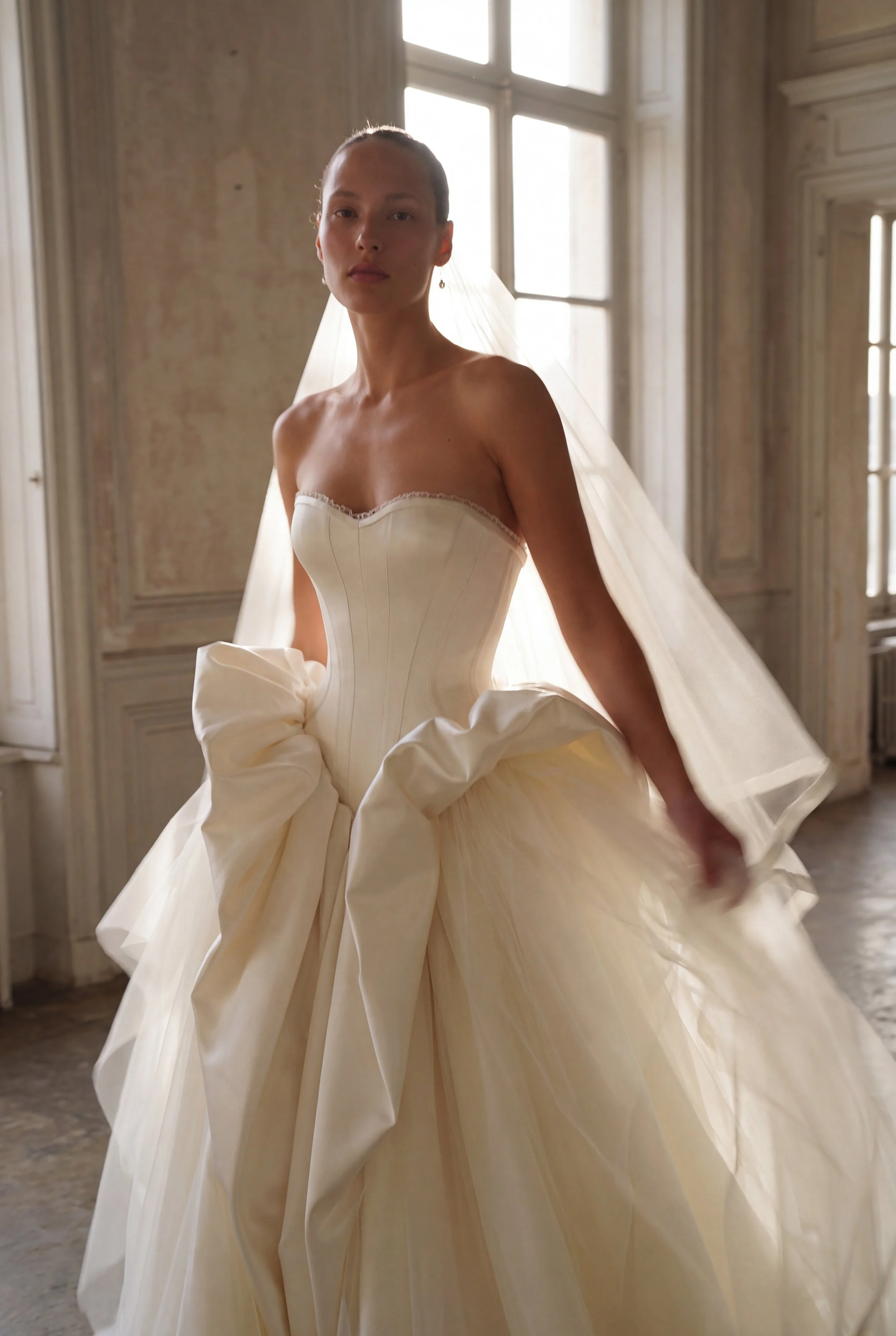
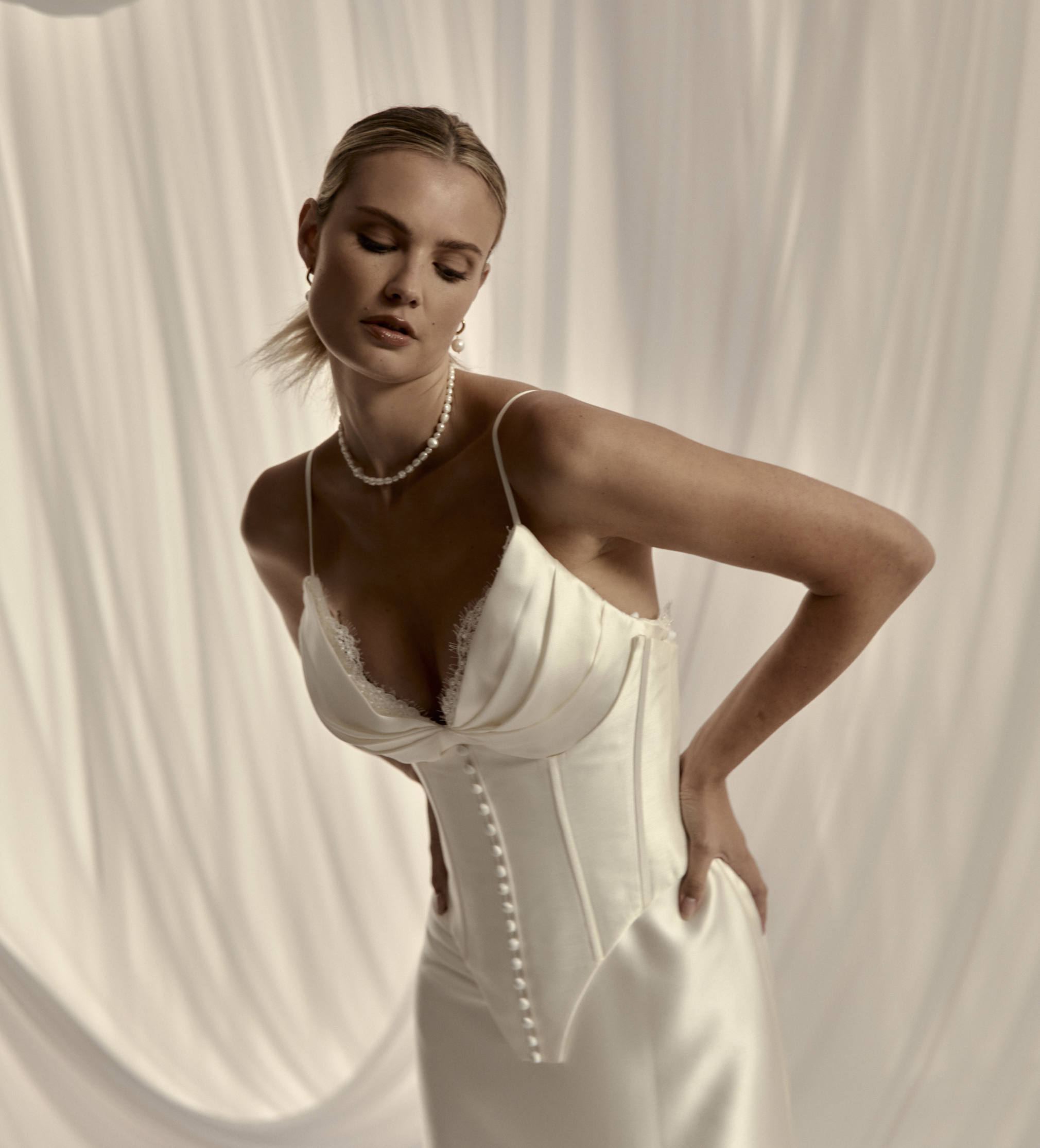
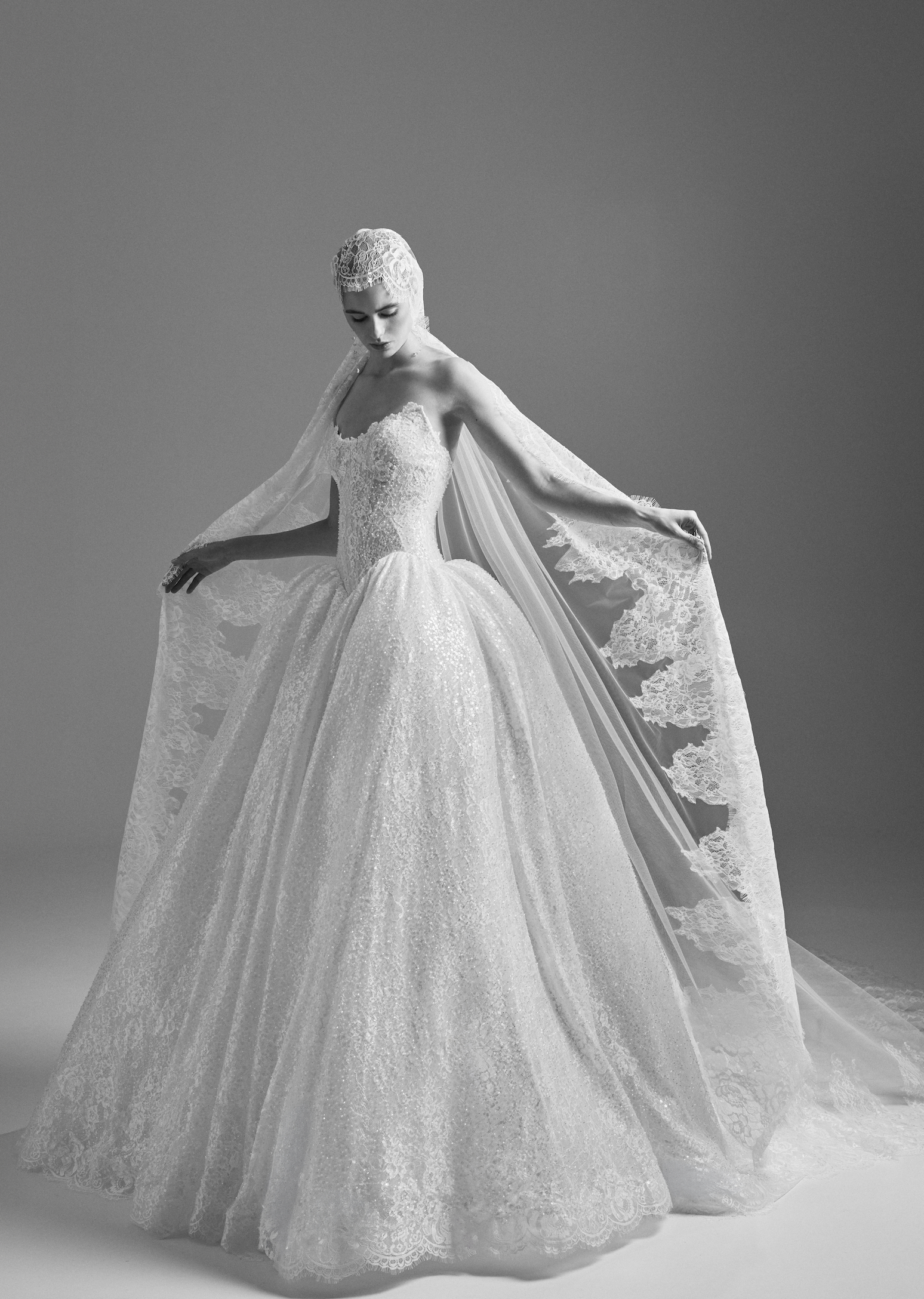
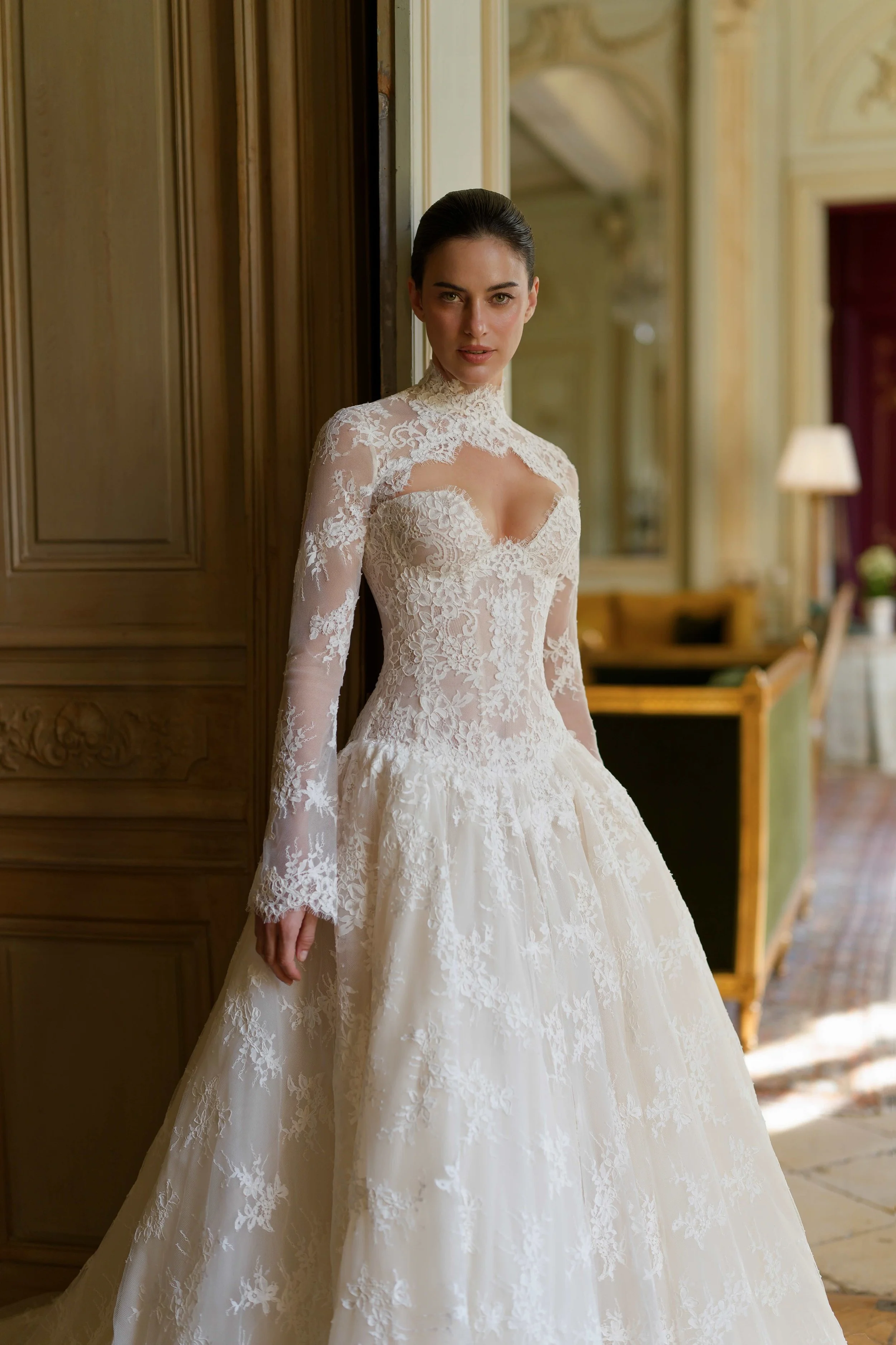
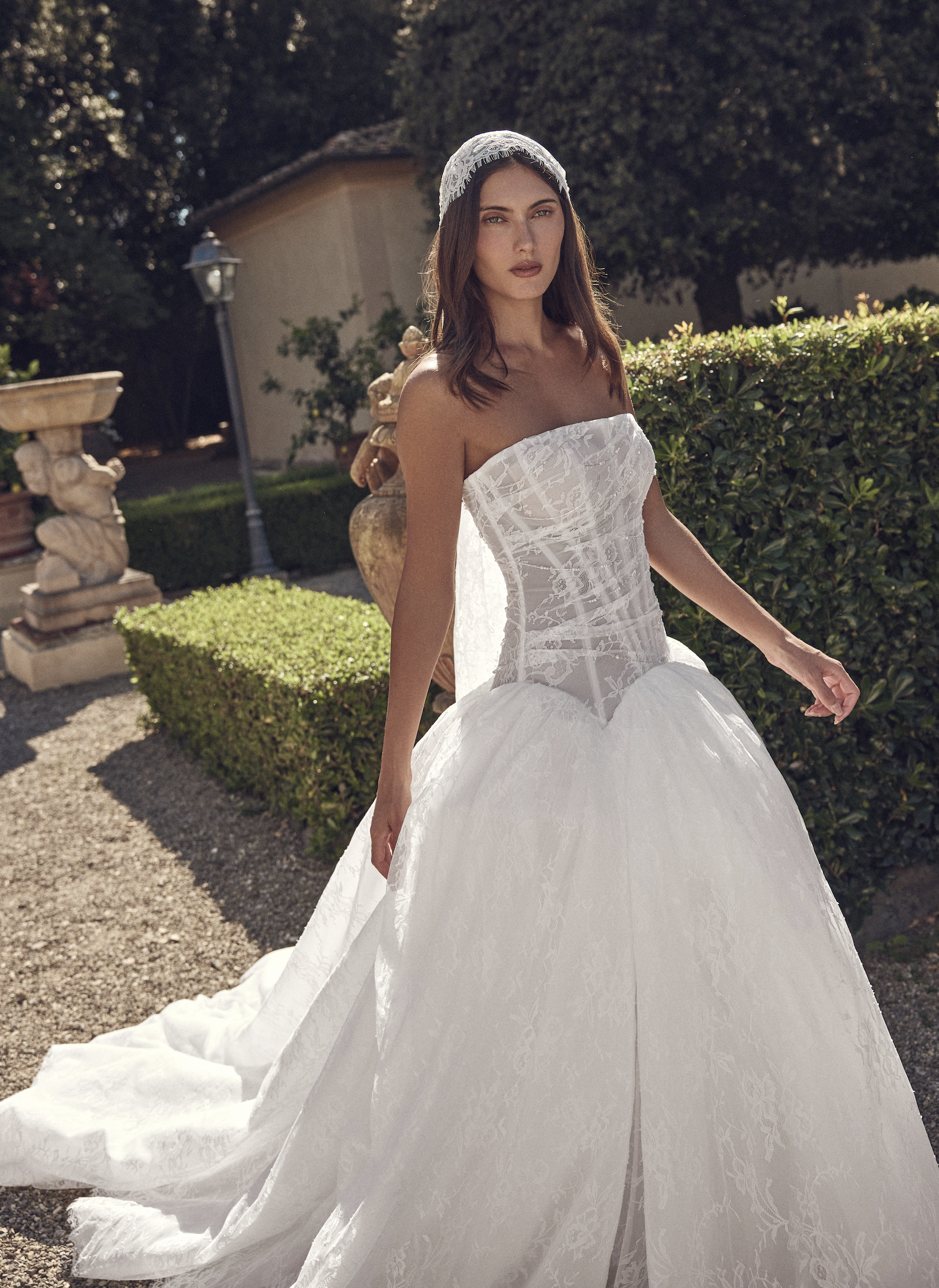
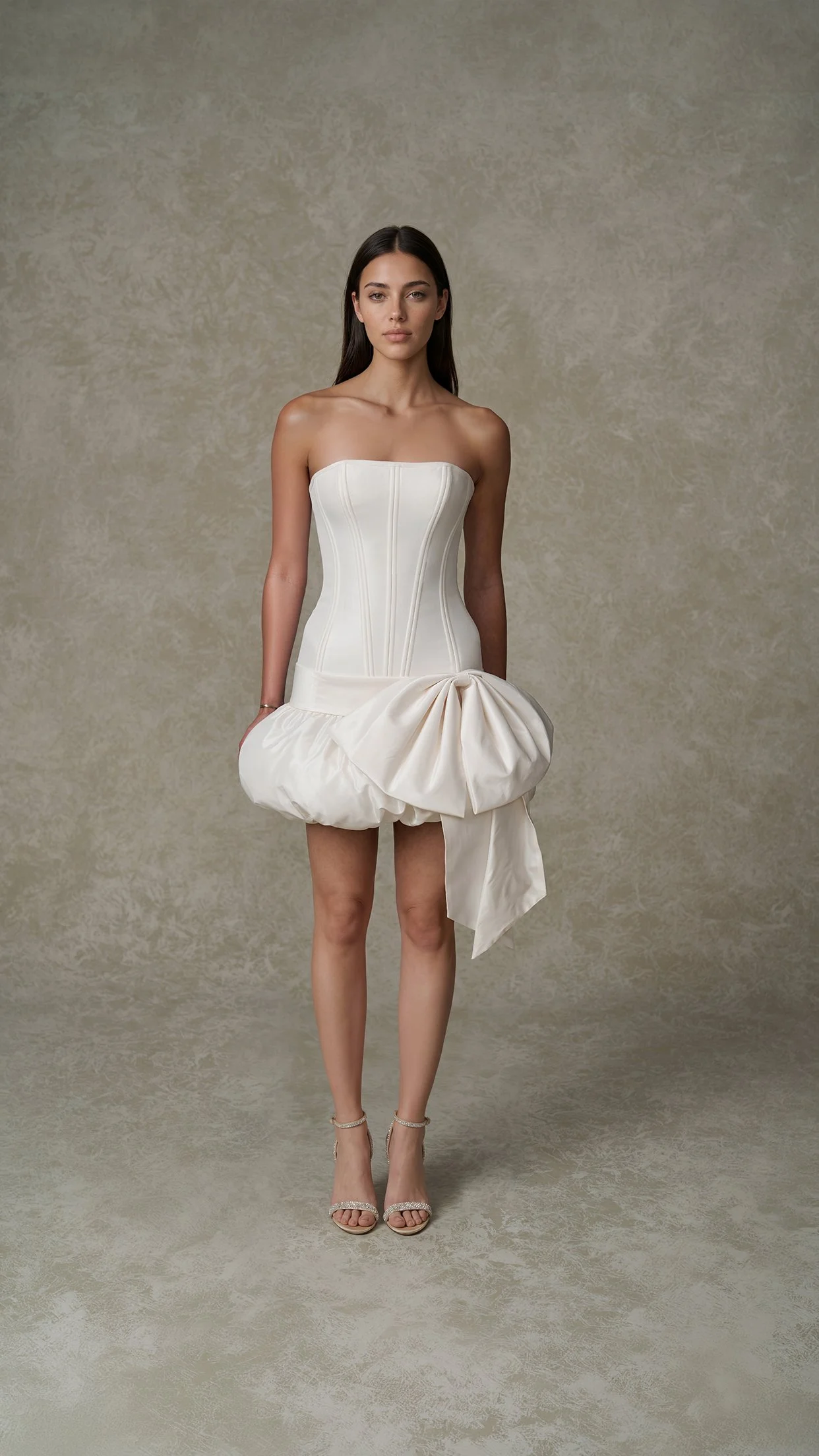
The corset shows no signs of stopping in bridal, but what’s new is the way designers are treating its boning as a decorative feature, creating elegant, architectural lines that trace the female form. At times, this was taken a step further with “naked corsets,” revealing skin in all the right places while strategically concealing the bust with delicate lace and sheer fabrications. Together, corsets, Basque waists and panniers signal a romantic return to the grandeur of centuries past, evoking the opulence and formality of the Gilded Age—a perceived simpler, more genteel time. After all, the wedding day is perhaps the one occasion when a woman can indulge her inner princess, and what better way than to experience the theatrical elegance of a bygone era?
CORSET FOREVER
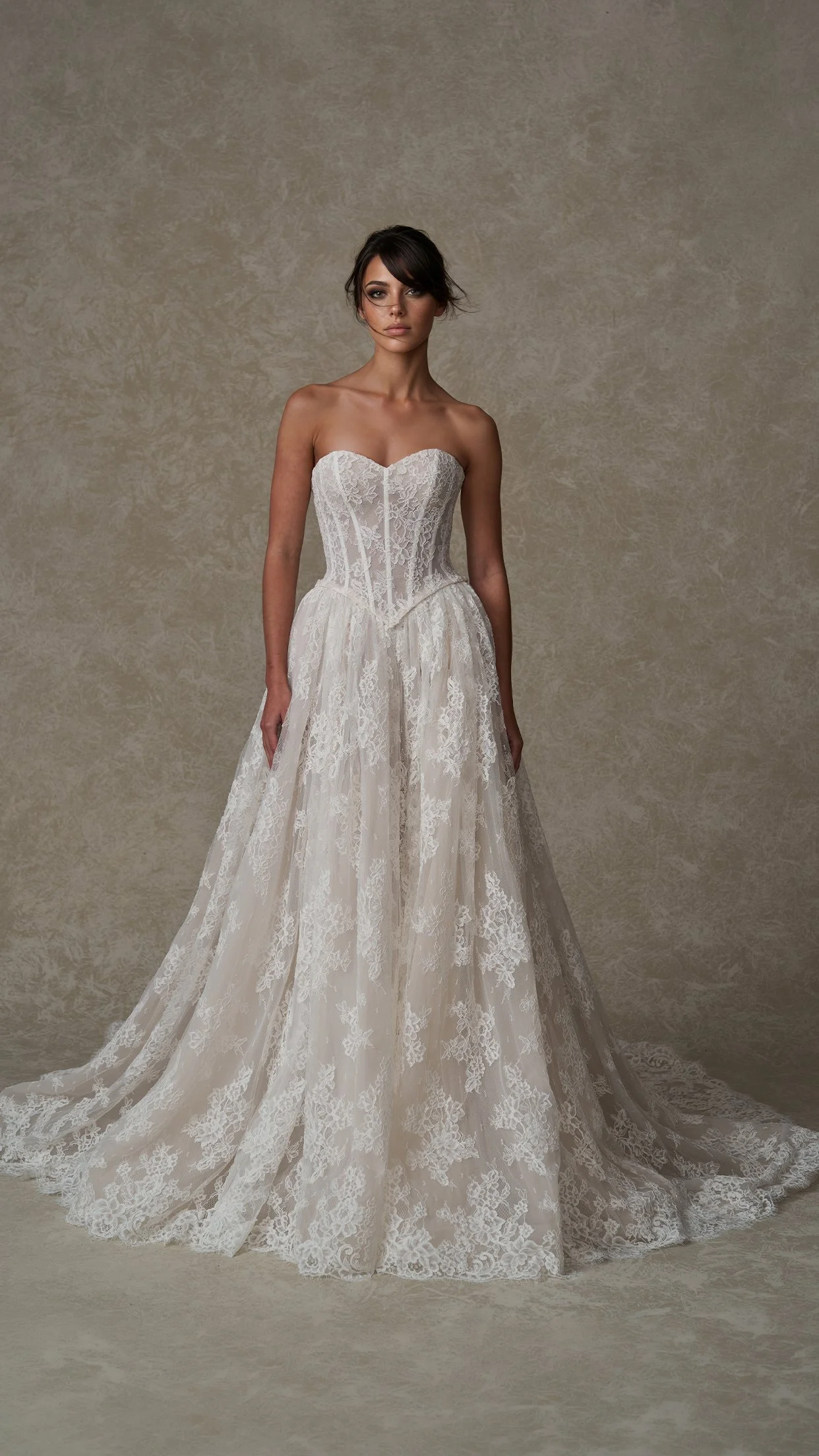
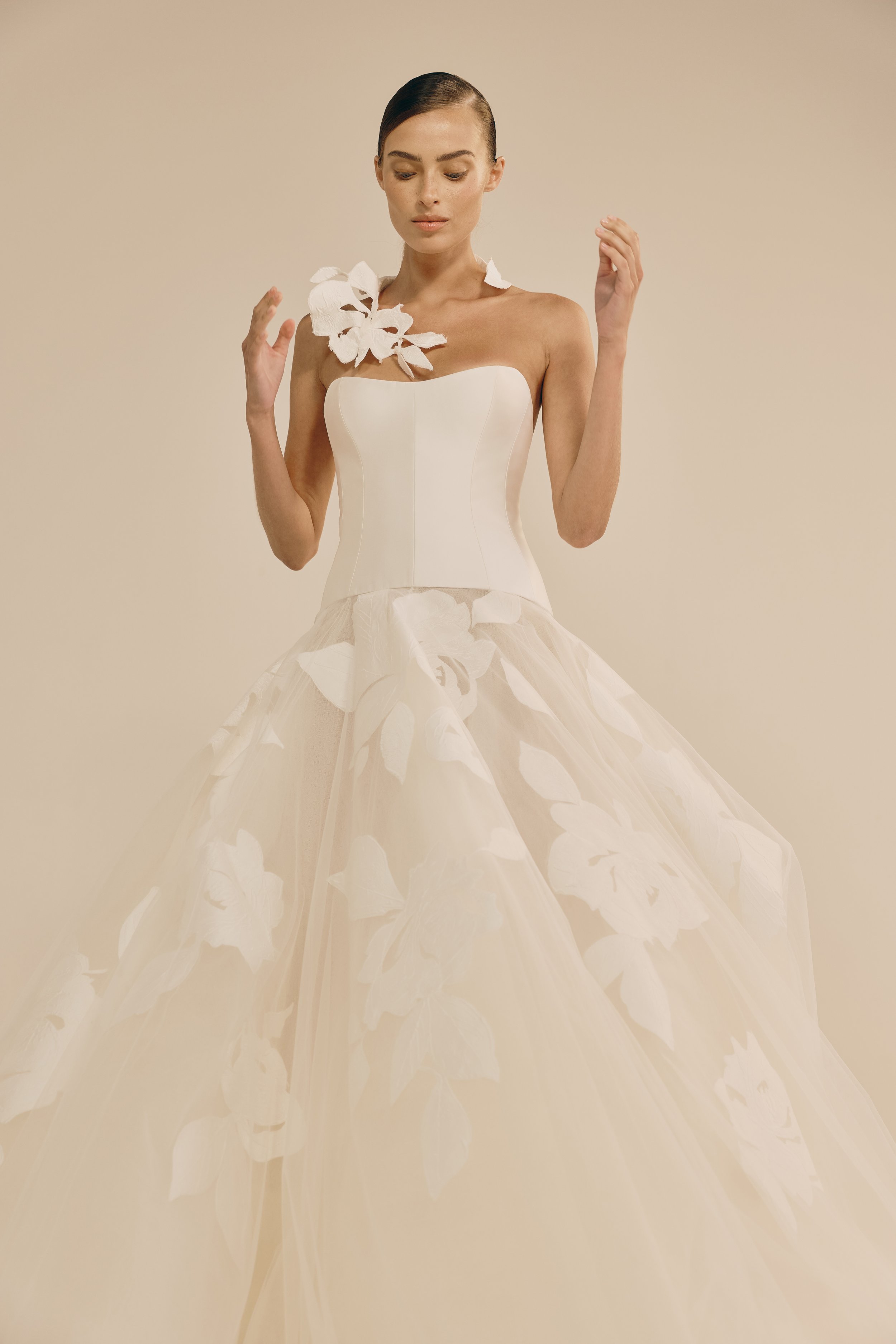
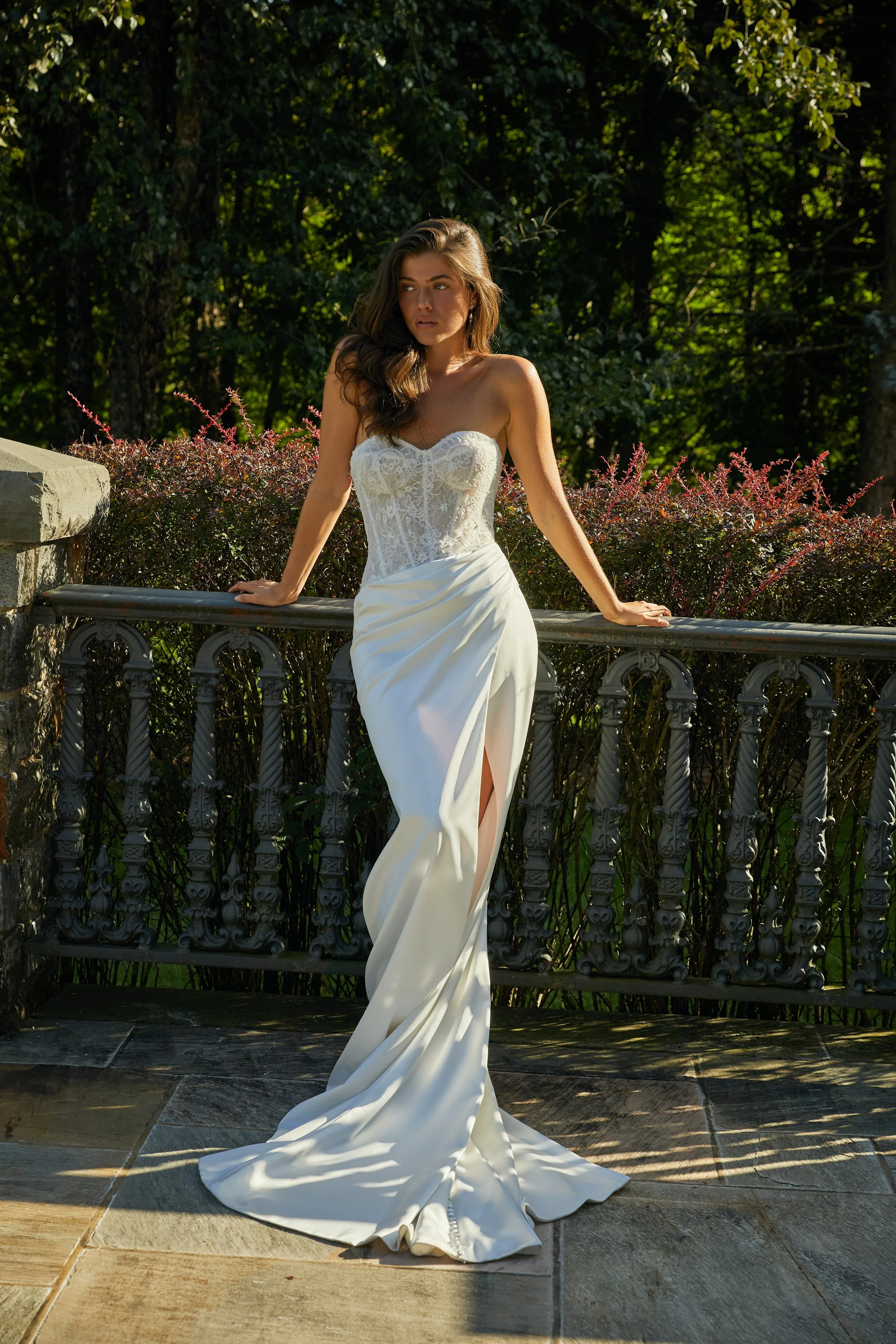
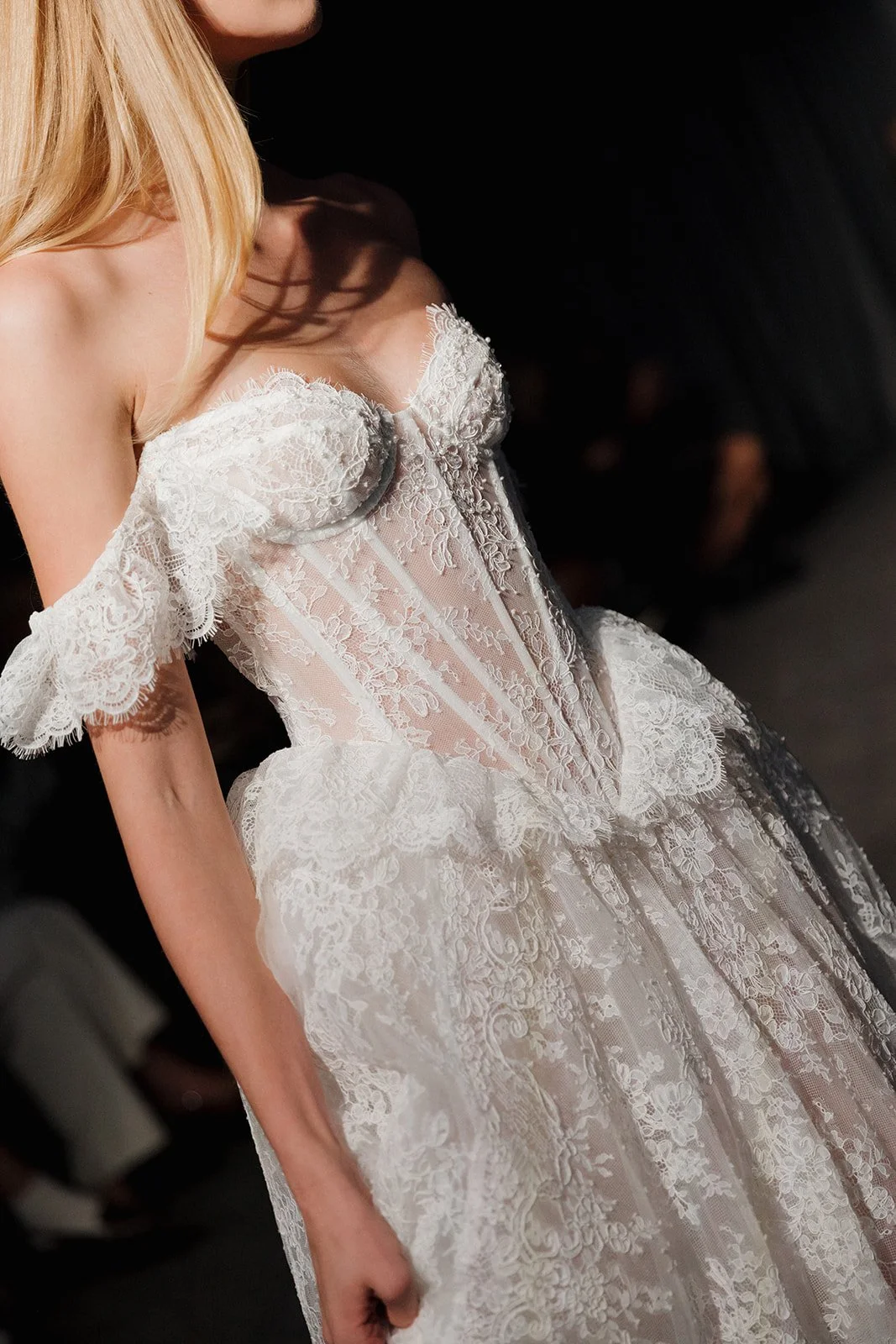
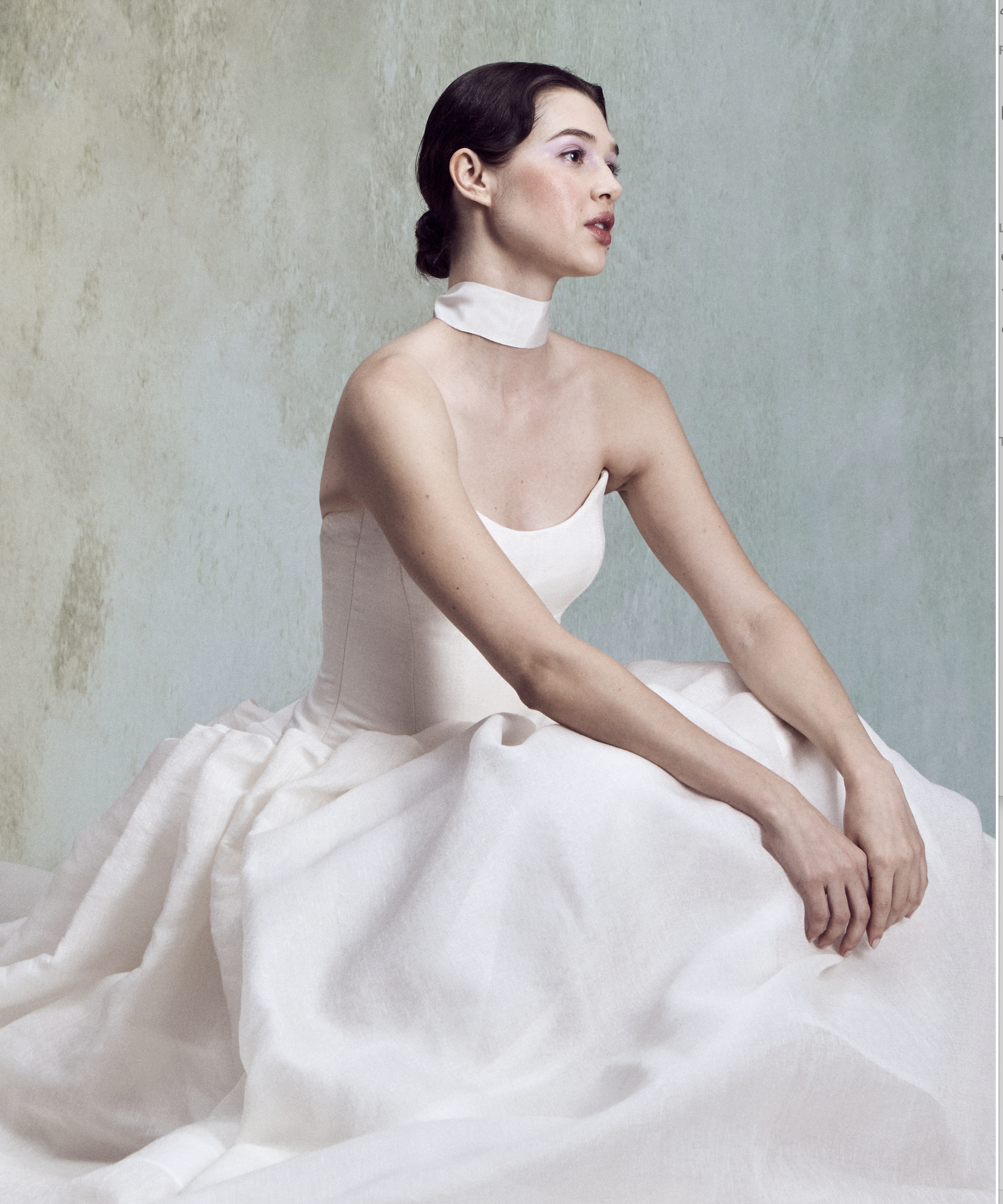
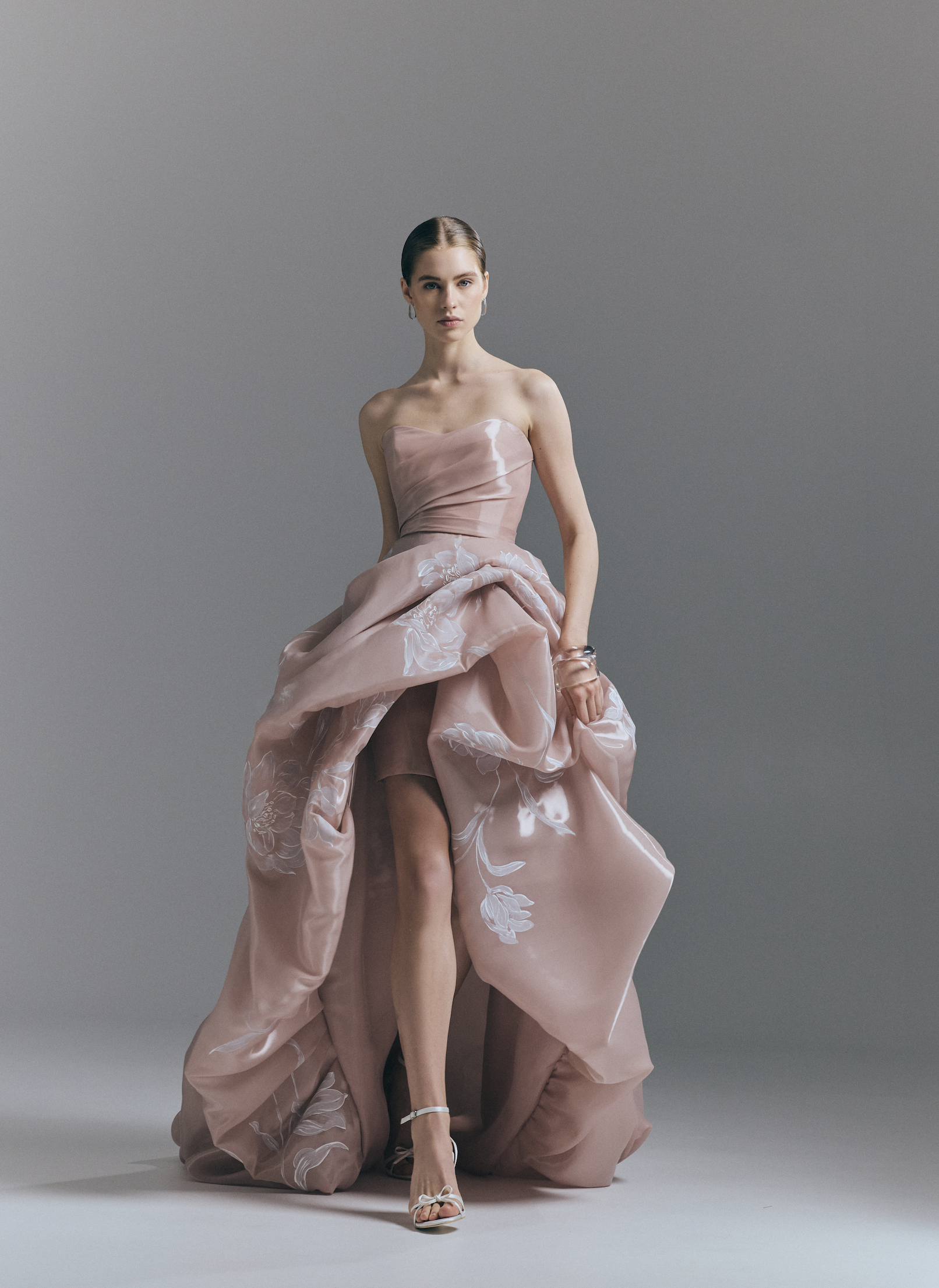
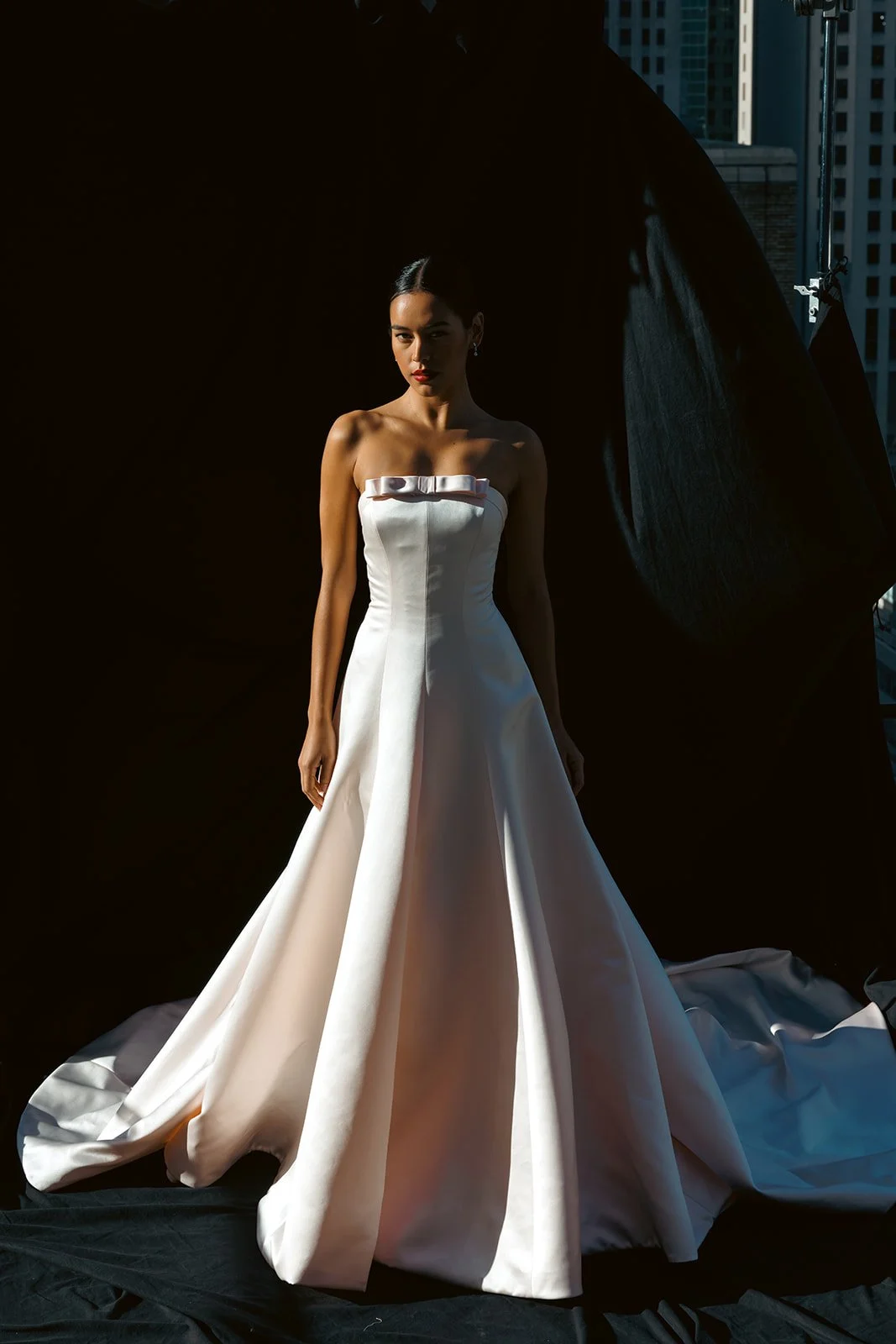
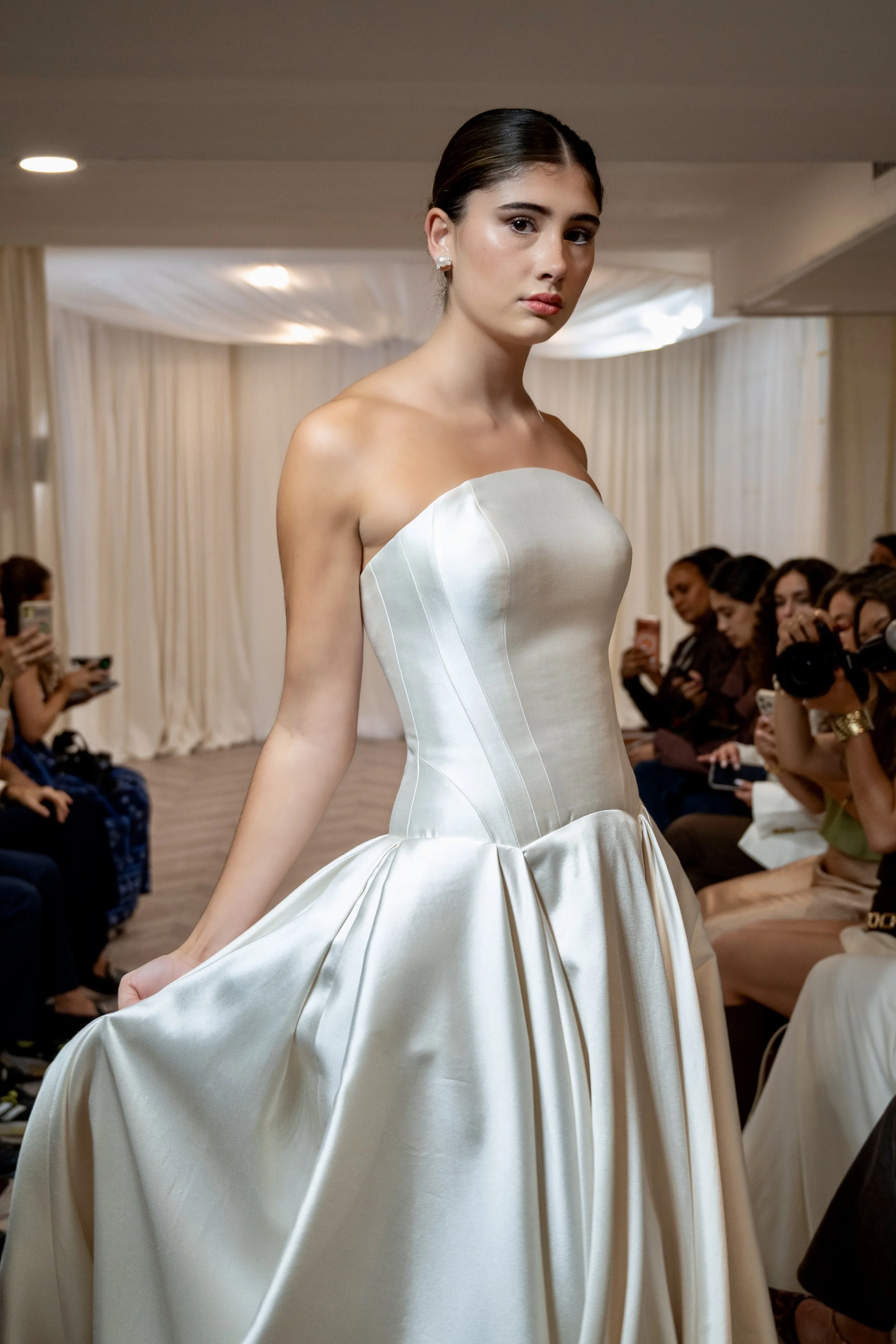
With so much attention focused on the sculpted bodice, the dropped waist was the natural next evolution of this overarching trend. Seen on everything from short dresses to sweeping gowns, the silhouette appeared in a variety of interpretations, with elongated bodices giving way to frothy clouds of tulle or skirts flowing from precisely placed pleats at the hip.
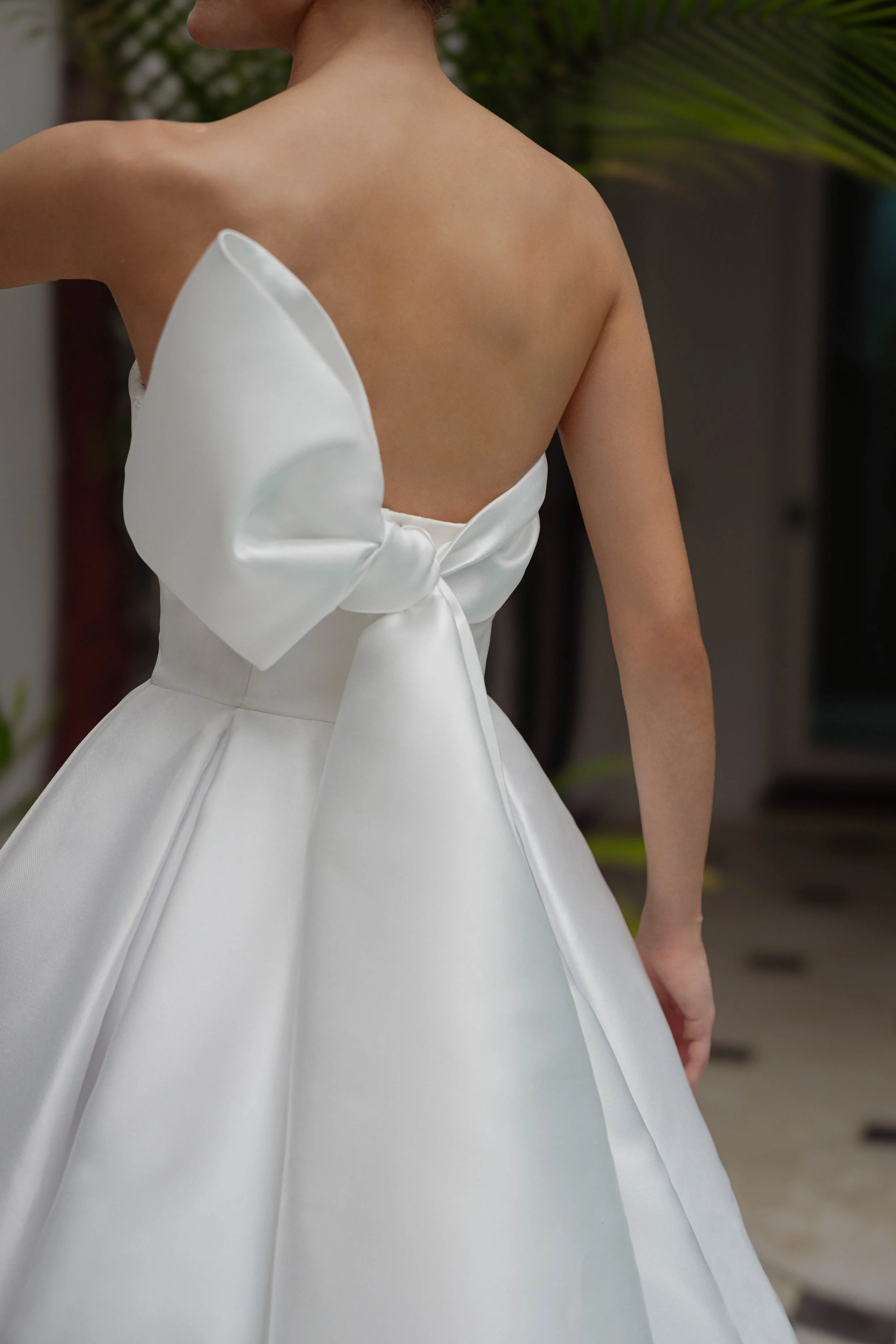
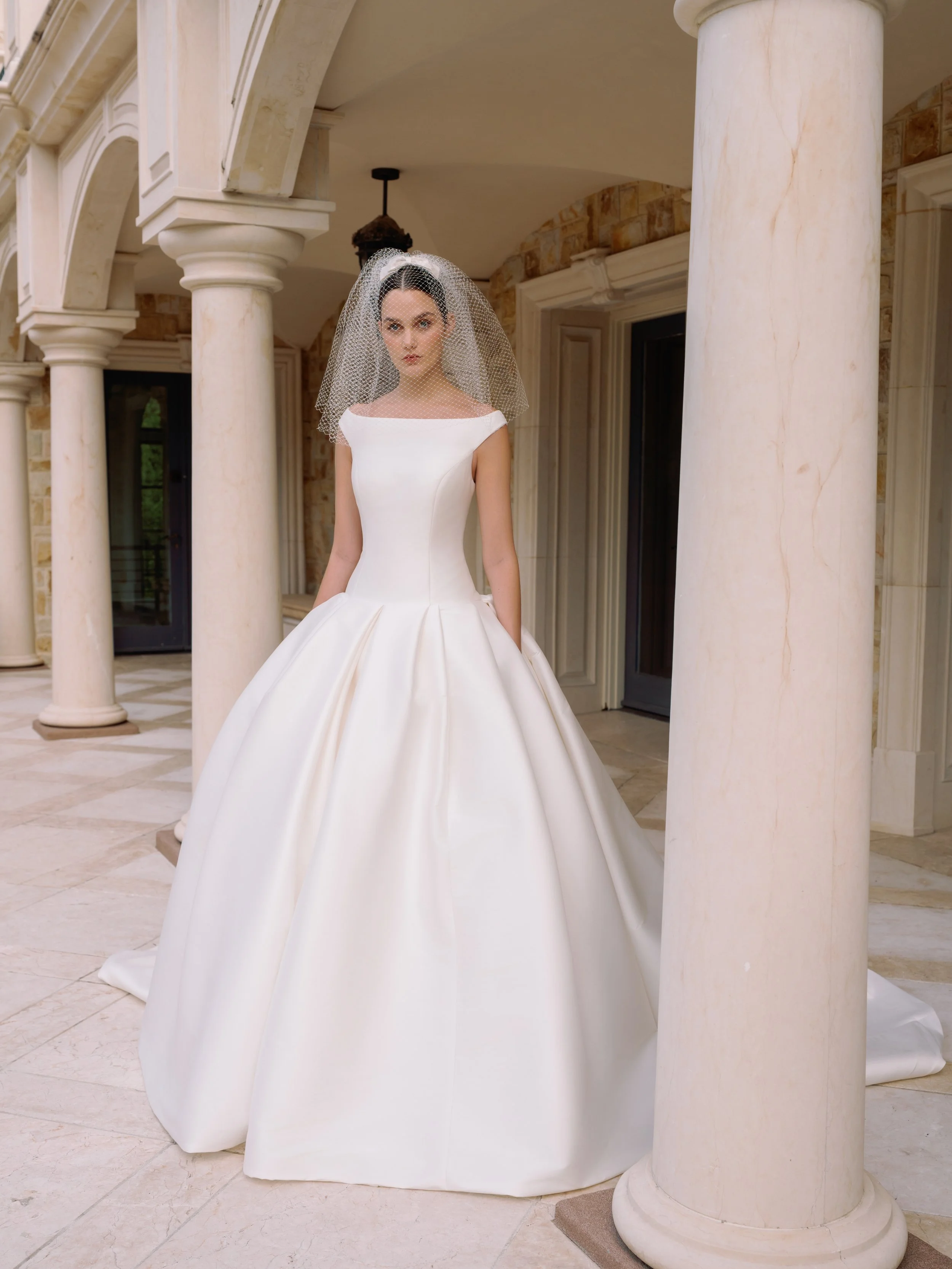
Next on the trend train were oversized architectural pleats and folds, adding another layer of drama to the bridal silhouette. Sometimes appearing as an exaggerated bustle at the back, or as generous folds of fabric sculpted around the waist, these details created a striking design statement. There was a certain beauty in their simplicity, allowing the luxurious fabrics, their texture and their sculptural qualities to take center stage.
ARCHITECTURAL DETAILS
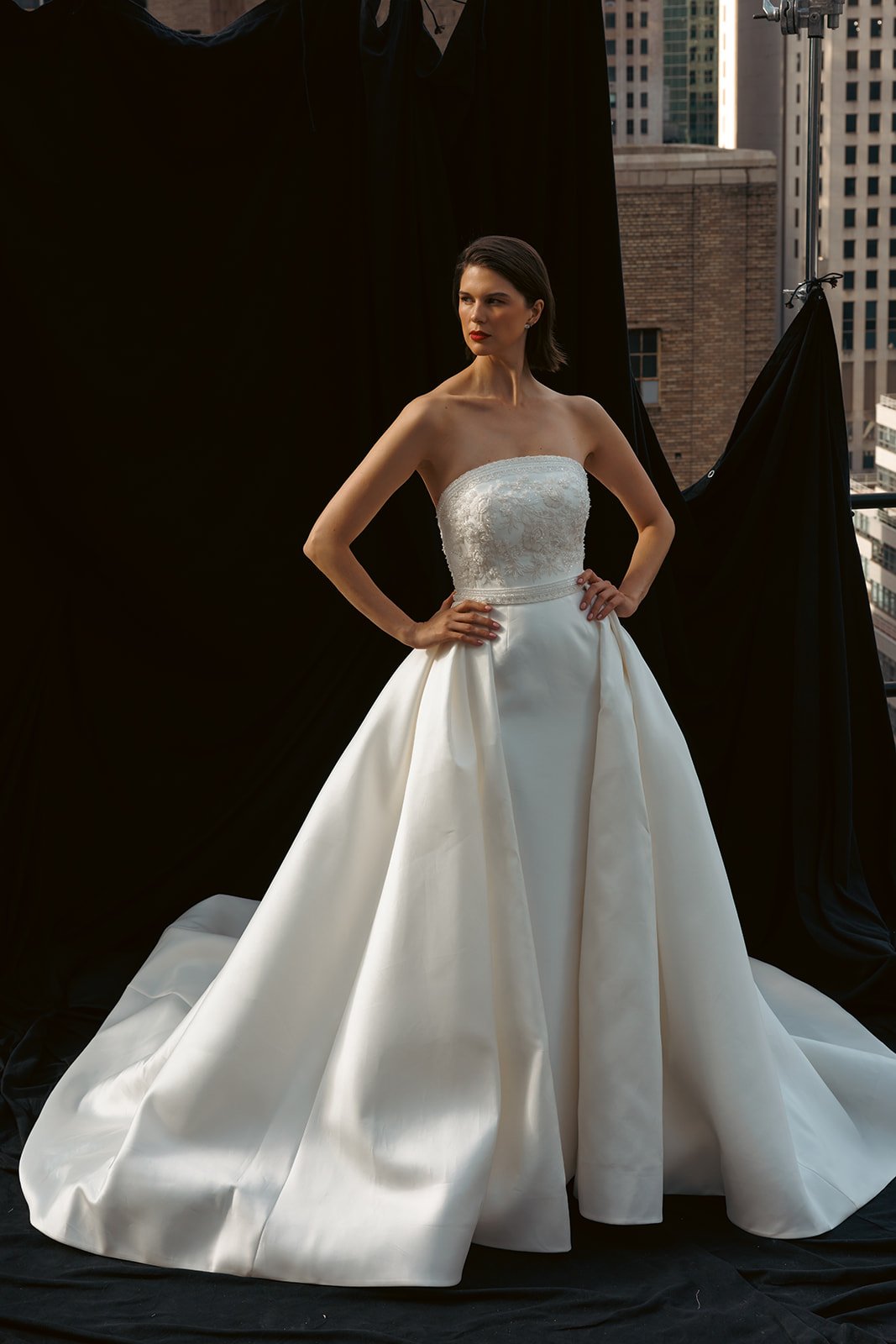
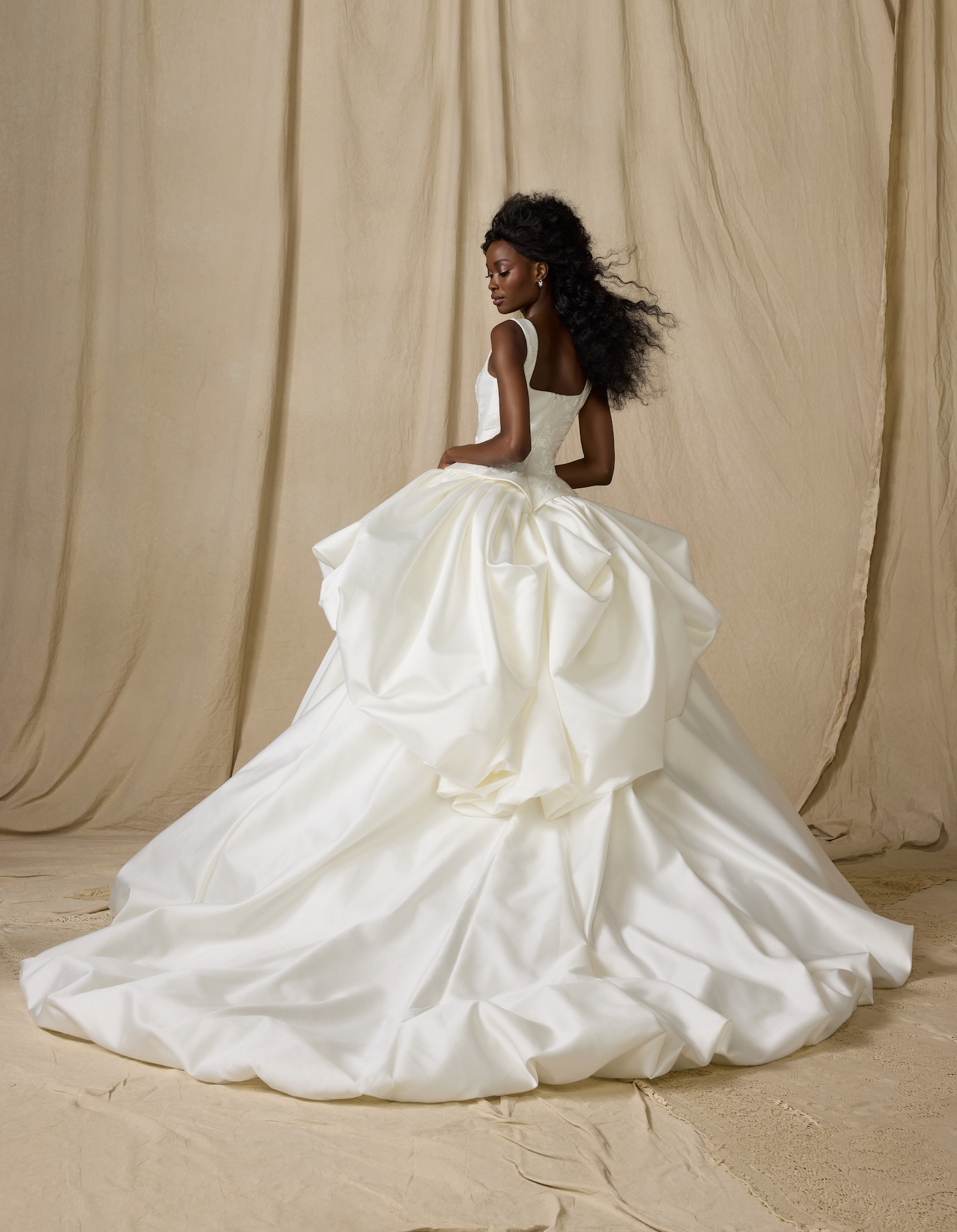
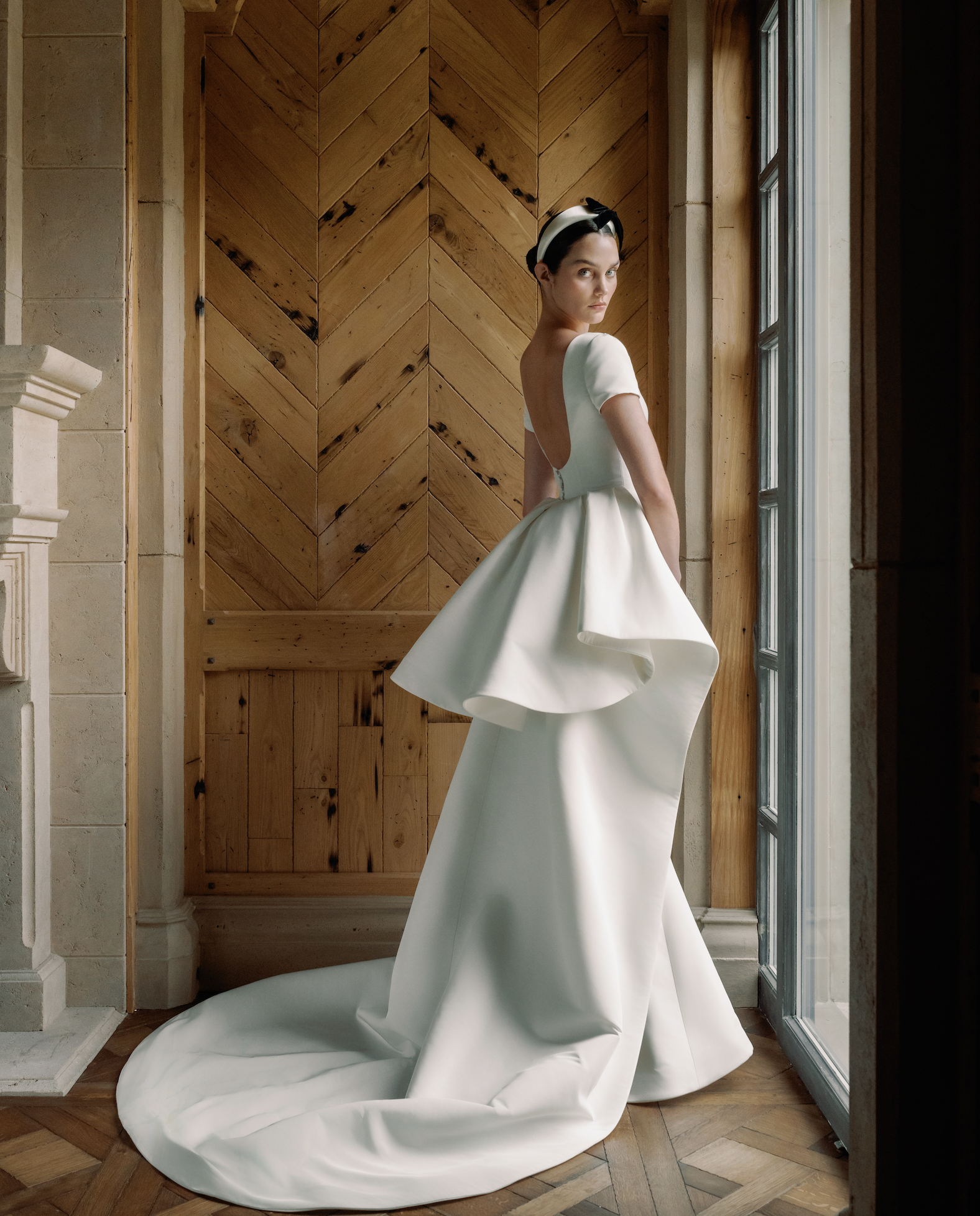
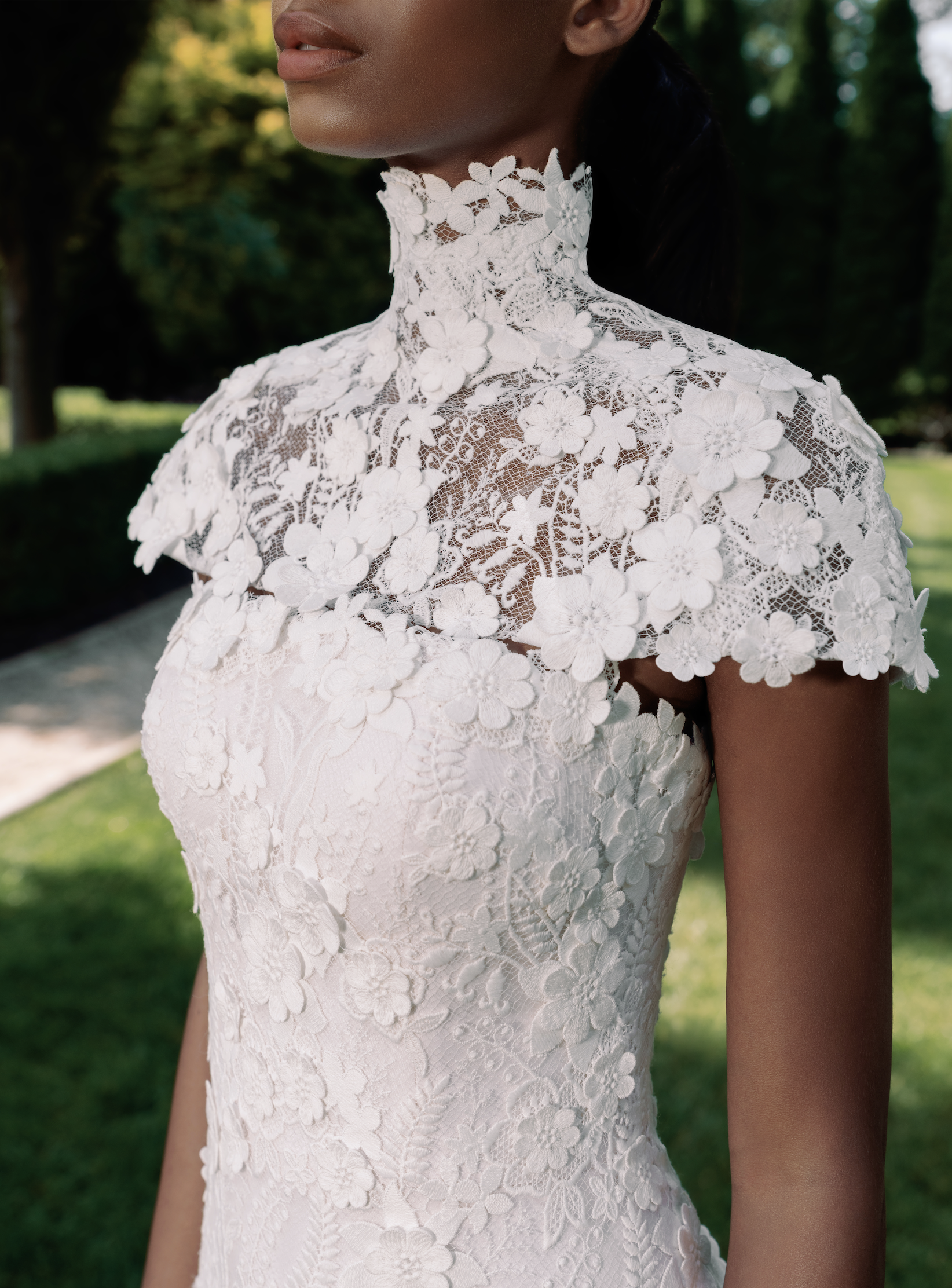
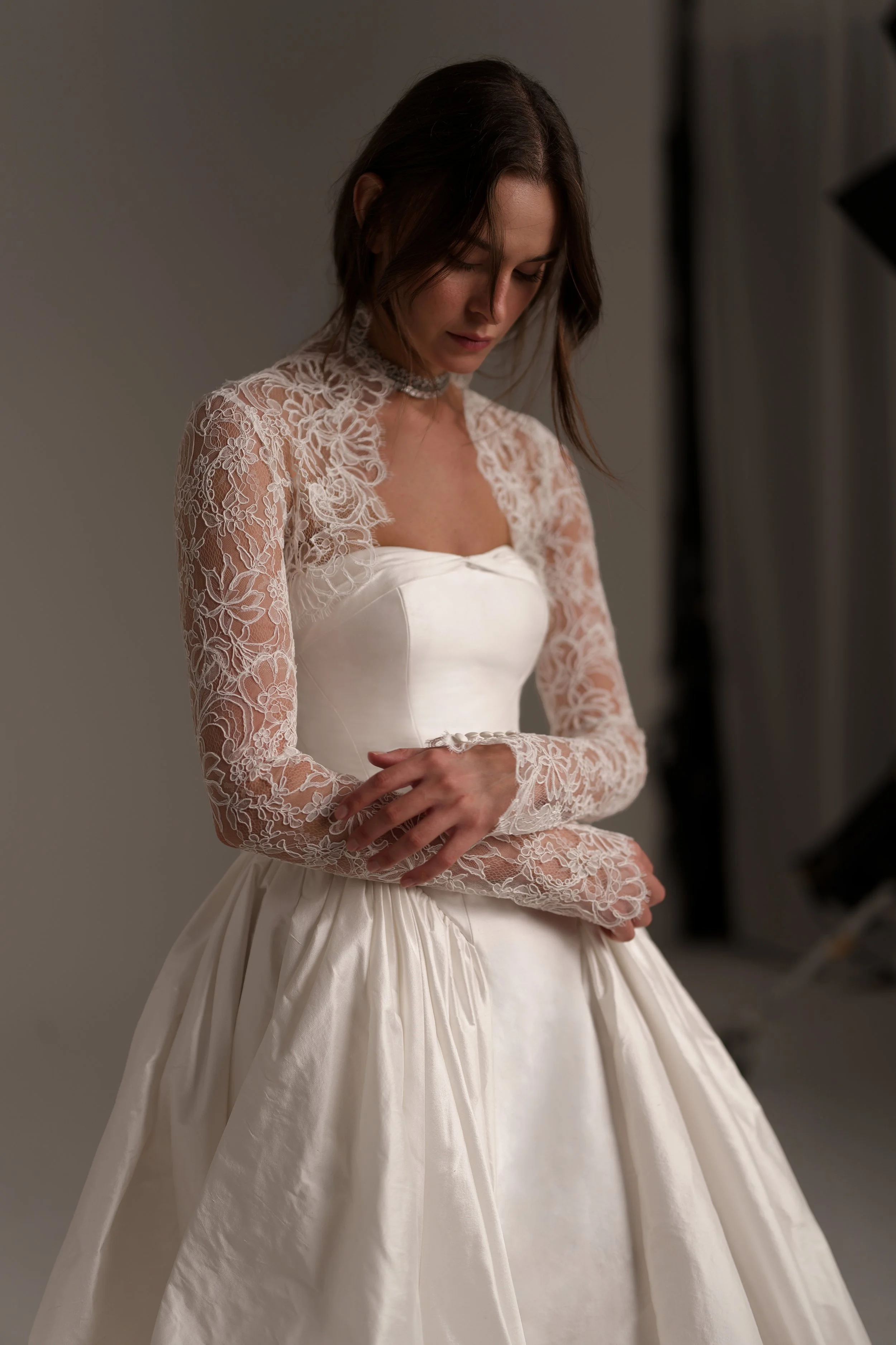
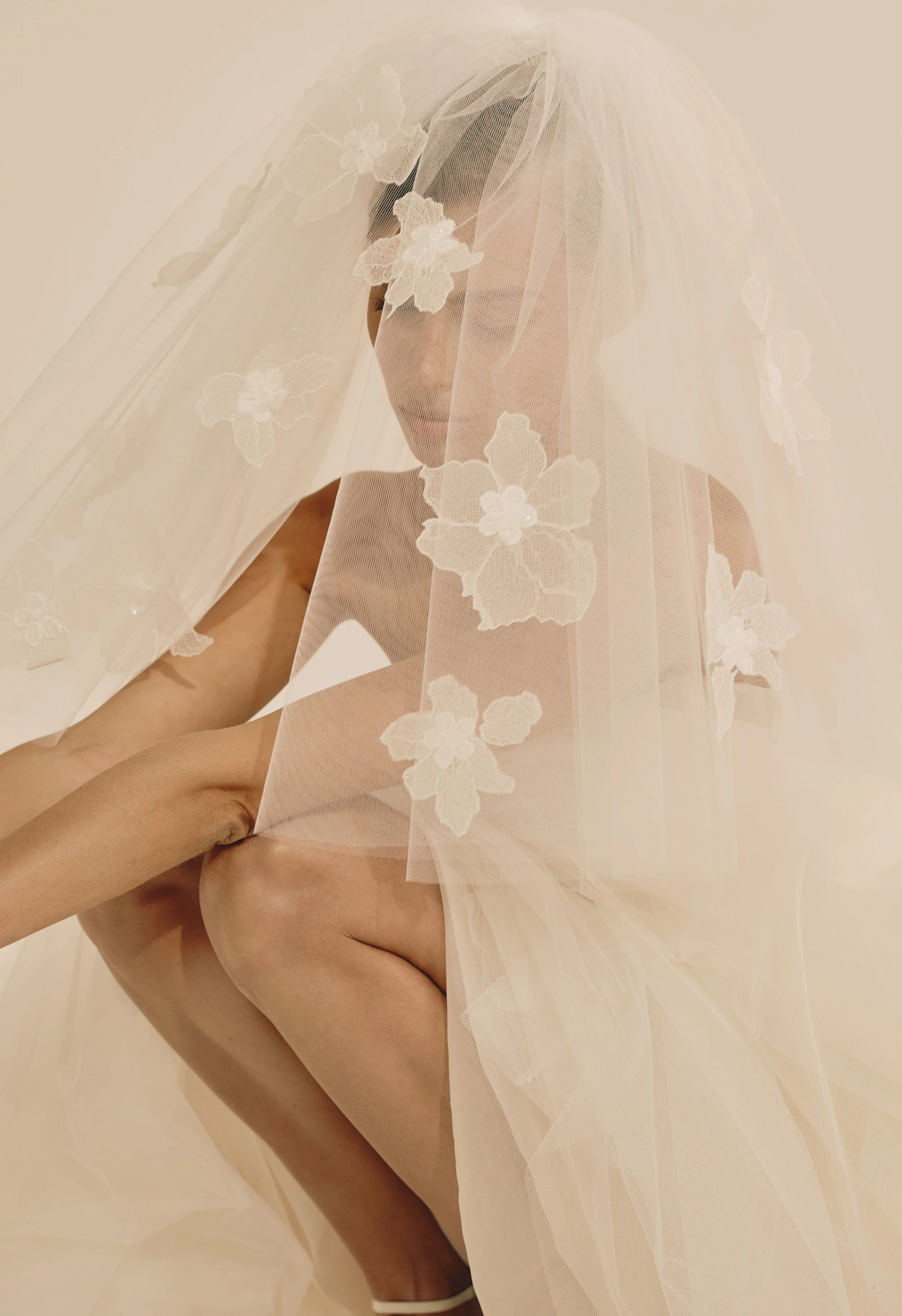
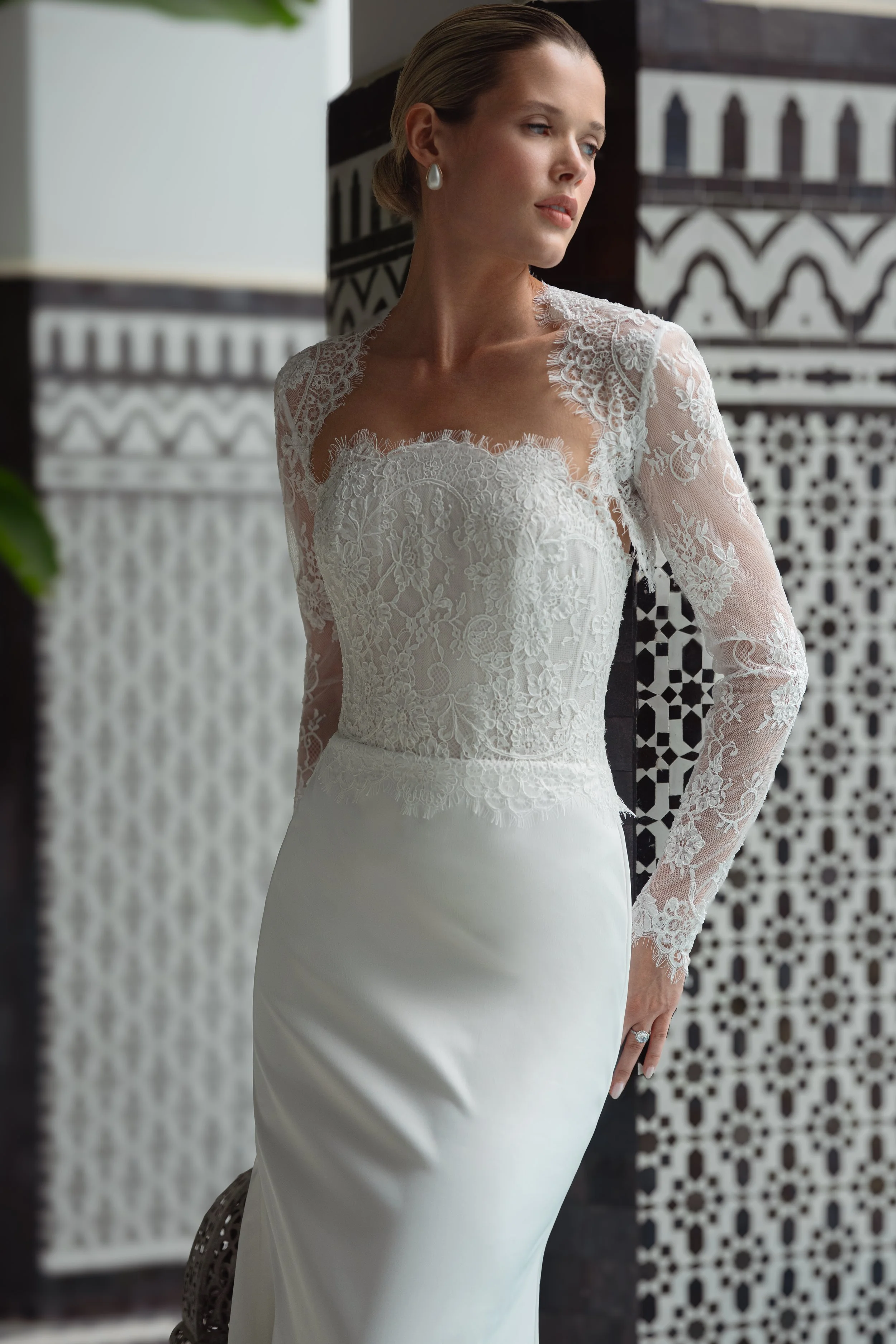
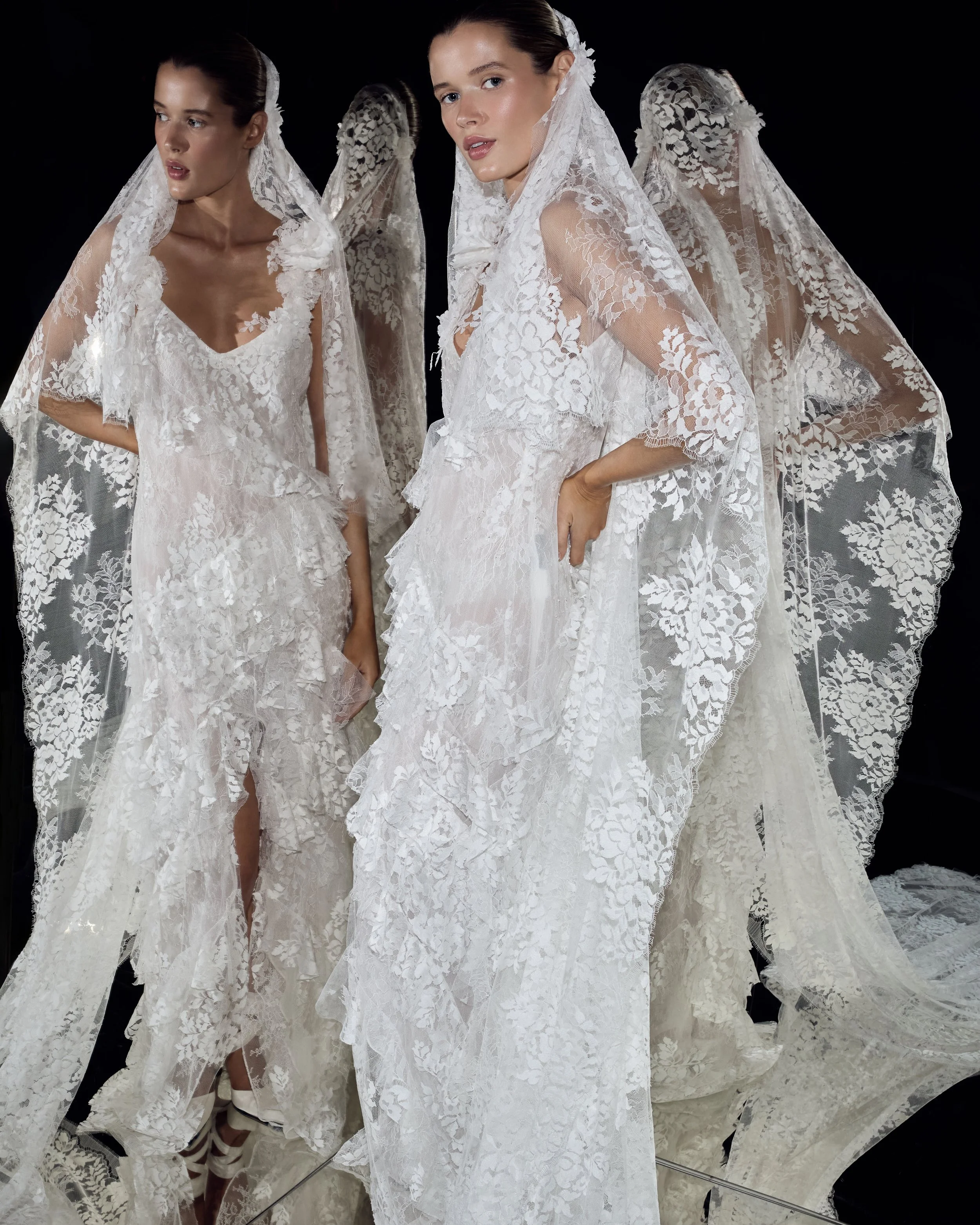
But classic brides need not fret. There were plenty of traditional gowns, from sweeping ball gowns to slim, streamlined silhouettes, with strapless and sweetheart necklines as well as short sleeves for the more modest bride. Lace capelets and toppers were pervasive, many designed to be worn in multiple ways, offering brides the versatility to transform their look from ceremony to reception.
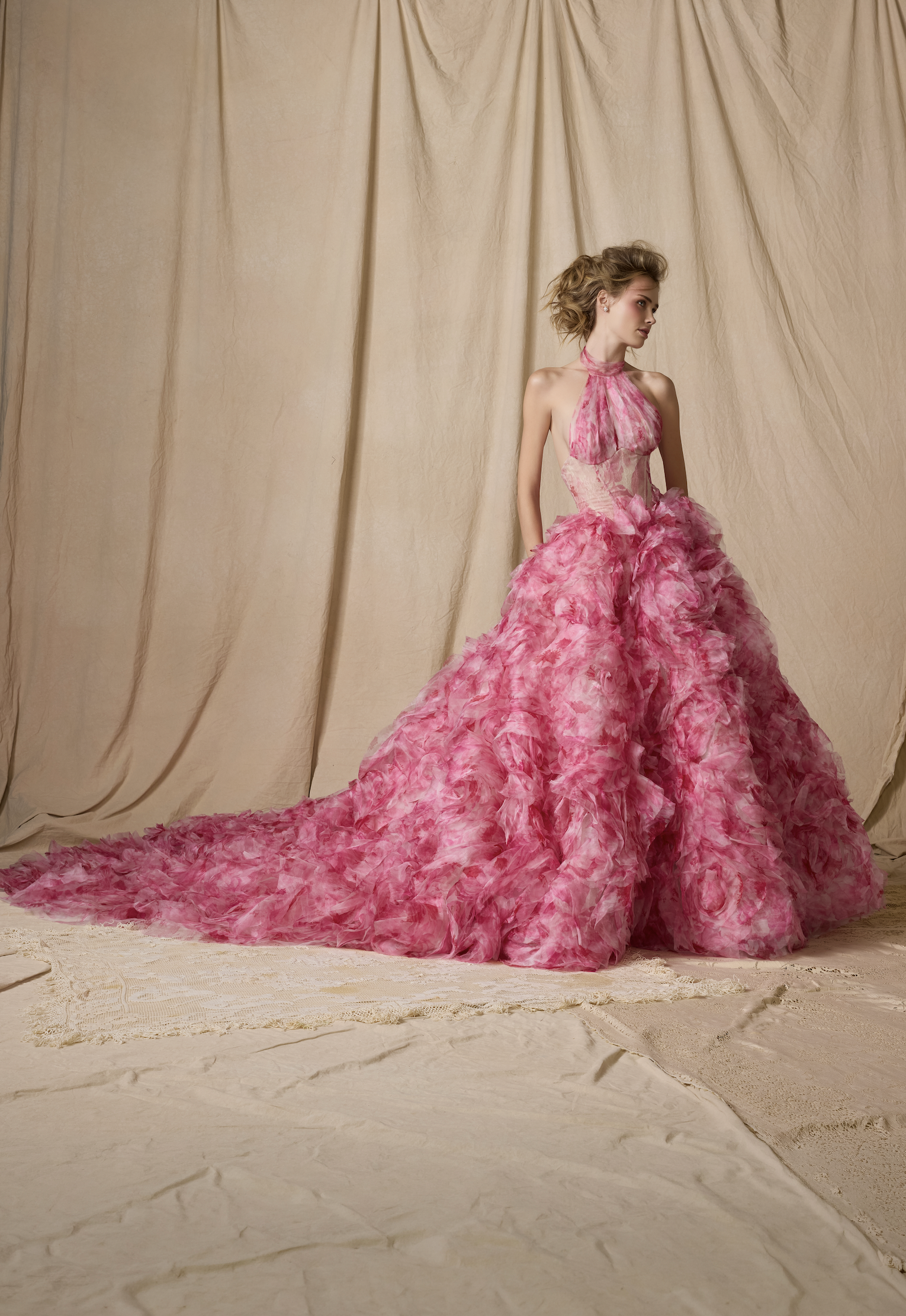
Another ongoing trend that showed no signs of fading was pink. From the palest blush washes to unapologetically bold magenta, pink is the color alternative of choice, seemingly replacing blue as bridal's favorite departure from traditional white. This was seen at Mark Ingram and Ines Di Santo and others.
Each New York Luxury Bridal Fashion Week brings a renewed focus on the wedding as one of life’s most pivotal moments, with the dress at the heart of it all. More than simply a fashion statement, the gown is an expression of individuality, romance, and the promise of a new chapter. By Mimi Lombardo
PINK PERFECT
NON-STOP DROP
TOPPERS, VEILS & HATS